How Long Should a Pair of Batting Gloves Last? The Ultimate Guide to Durability and Performance
For baseball and softball players, batting gloves are more than just accessories; they are critical pieces of equipment that provide grip, protection, and feel. Yet, few questions plague hitters more than this: “How long should my batting gloves last?” Is it a season? A month? A mere handful of games? The answer, as you’ll discover, is not a simple number. It’s a complex equation involving materials, usage, care, and—most importantly—the quality of craftsmanship. In this definitive guide, we’ll dissect the lifespan of batting gloves, compare popular brands like Franklin CFX Pro batting gloves and Easton softball batting gloves, and reveal how investing in Seibertron high quality batting gloves can maximize your value and performance at the plate.
The Anatomy of Batting Glove Longevity: What Determines Lifespan?
Before assigning a timeframe, we must understand what a batting glove endures. Each swing subjects the glove to friction, sweat, dirt, and stress. Durability is determined by several interconnected factors.
1. Material & Construction: The Foundation of Durability
The choice between synthetic leather, cabretta leather, sheepskin, and advanced composites is the single biggest factor in how long your gloves will last.
- Premium Leather (Cabretta & Sheepskin): Often found in leather baseball batting gloves and sheepskin batting gloves, these materials offer superior durability, breathability, and a coveted "broken-in" feel. They resist wear better than most synthetics but require proper care.
- Advanced Synthetics & Composites: Used in models like the Franklin CFX batting gloves and Bruce Bolt Premium batting gloves, these materials prioritize lightweight performance, flexibility, and moisture management. High-end synthetics can rival leather in durability.
- Stitching & Reinforcements: Look for double-stitching in high-stress areas like the thumb, palm, and fingertips. The quality of stitching directly prevents premature separation and blowouts.
2. Frequency & Intensity of Use
A weekend recreational player will have a vastly different experience than a college athlete with daily practices and games. Consider your schedule:
| Player Type | Estimated Glove Lifespan (Avg. Quality) | Primary Wear Factors |
|---|---|---|
| Youth Player (Rec League) | 1-2 Full Seasons | General wear, growth spurts |
| High School Varsity | 2-4 Months | Daily practice, batting cage use, games |
| College/Pro (Like Kyle Tucker batting gloves or Corey Seager batting gloves) | Weeks to 1 Month | Extreme frequency, high-intensity swings, specialized wear patterns |
| Adult Slow-Pitch Softball | 1 Season+ | Less frequent play, but bat vibration and dirt still take a toll |
3. Environmental & Usage Conditions
Dirt, clay, artificial turf, extreme heat, and moisture are the sworn enemies of batting glove materials. Playing in wet conditions or constantly wiping sweat accelerates deterioration.
Industry Benchmarks: How Do Popular Brands Stack Up?
Let’s examine real-world expectations from some of the market's most recognized names.
Franklin Batting Gloves: The Mainstay
Franklin baseball batting gloves, particularly the CFX Pro batting gloves line, are known for innovative materials like Ax-Suede and Cushion Plus Foam. They offer excellent grip and comfort. With moderate to heavy use, players often report a lifespan of 2-3 months before noticeable palm wear or grip loss occurs. They are a solid benchmark for performance-focused high quality batting gloves.
Easton & Mizuno: Specialists in the Game
Easton batting gloves softball variants are designed with the unique demands of softball in mind. Their Easton softball batting gloves often feature reinforced palms for the vibration of aluminum/ composite bats. Mizuno, with options like the Mizuno MVP Youth batting gloves, focuses on fit and foundational quality for younger players. Lifespans are similar to Franklin, though specific models may vary.
Pro-Endorsed Models: The "Sick Batting Gloves" Phenomenon
Gloves worn by stars like Albert Pujols batting gloves, Kris Bryant batting gloves, and Kyle Pearson batting gloves often drive trends. These are typically premium models with top-tier materials. However, it’s crucial to remember that pros receive endless supplies and change gloves frequently—sometimes every game. Their "lifespan" is about peak performance, not long-term durability. Don’t expect a pair of sick batting gloves you see on TV to last a full season of amateur play.
The Seibertron Difference: Engineering for Extended Lifespan
At Seibertron, we asked a different question: "How can we build a batting glove that delivers pro-level performance and exceptional durability for the serious amateur player?" The answer lies in our meticulous engineering.
Super-Grip Palm Technology
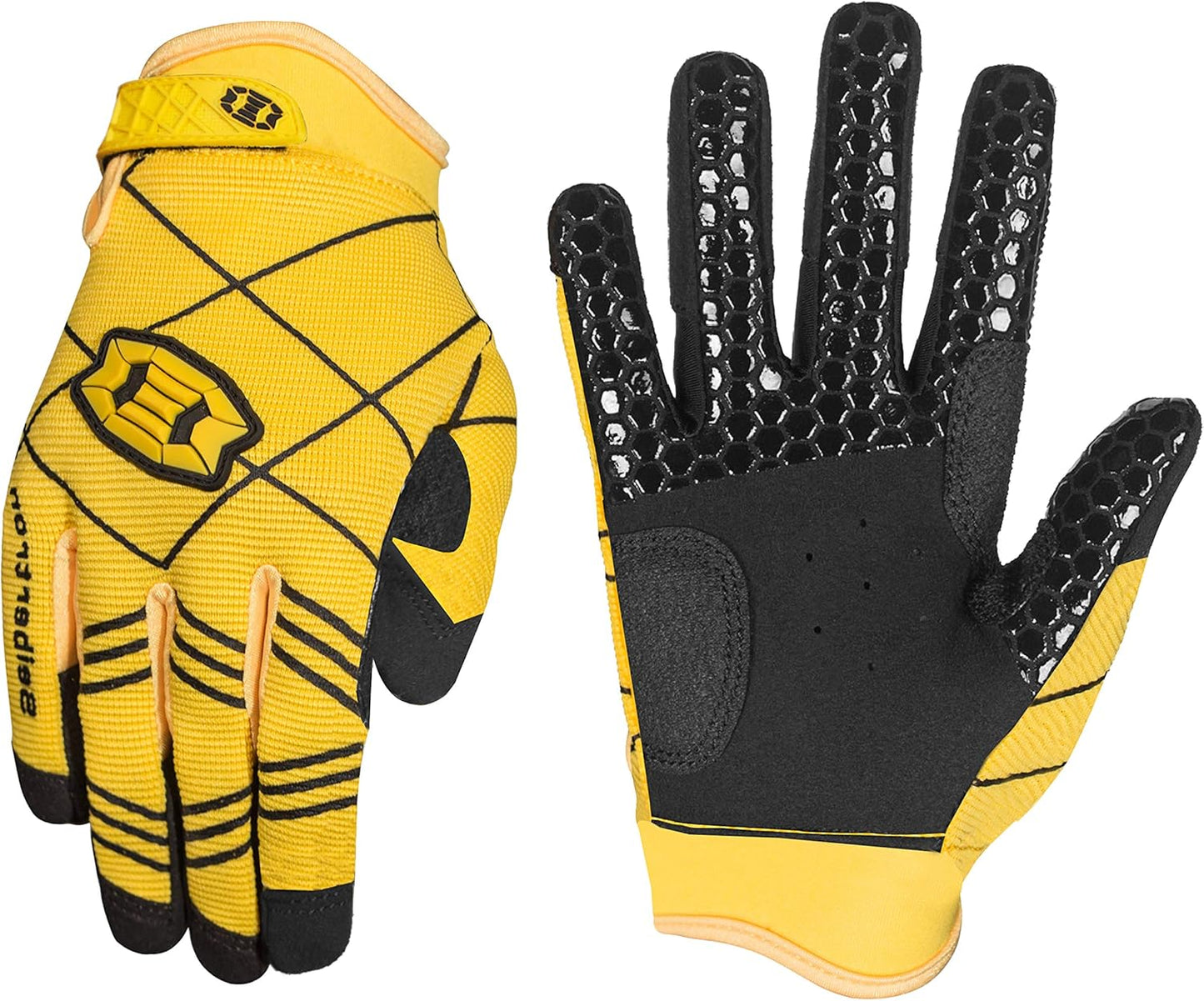
While many gloves use a standard suede or synthetic palm, our Seibertron B.A.R. Pro 2.0 Signature batting gloves feature an advanced Super-Grip composite. This material is scientifically formulated to resist abrasion from bat handles and batting cage repetition far longer than conventional palms, directly addressing the #1 point of failure.
Strategic Reinforcements & Breathability
We analyze wear patterns from thousands of players. Extra layers in the thumb crotch and top hand fingertips—common tear points—are seamlessly integrated. Simultaneously, our 4-way stretch mesh backs ensure heat and sweat don’t break down the materials from the inside, a common issue with cheaper power batting gloves that prioritize stiffness over breathability.
The Verdict: How Long Should Your Seibertrons Last?
Based on rigorous testing and customer feedback, a pair of Seibertron high quality batting gloves, when used under typical high-school or competitive adult conditions (practice + games 4-5 days a week), should provide consistent, high-performance for a full competitive season (3-4 months). For less frequent players, they can easily last multiple seasons. This represents a significant value advantage over gloves that need replacing mid-season.
Maximizing Your Glove's Lifespan: Essential Care Tips
Your habits directly influence durability. Follow these steps to get the most from any glove, whether they're Fila batting gloves or custom Wilson custom baseball gloves.
- Rotate Pairs: If you play frequently, own two pairs. Alternating allows each to dry and recover fully, preventing sweat-induced material breakdown.
- Air Dry, Never Heat: After use, let gloves air dry at room temperature. Never place them on a heater, radiator, or in a clothes dryer, as extreme heat cracks leather and weakens synthetics.
- Spot Clean Gently: Use a damp cloth with mild soap to clean dirt. Do not submerge or machine wash, as this destroys padding and stitching adhesives.
- Store Properly: Keep them in a cool, dry place, not crumpled at the bottom of a hot equipment bag. Consider a batting glove wrap or pouch.
The Perfect Gift: Durability Meets Thoughtfulness
Understanding lifespan makes you a smarter shopper. A pair of durable, high-performance gloves is an exceptional gift for any player. For events like Father's Day batting gloves, giving a premium, long-lasting pair like the Seibertron B.A.R. Pro 2.0 shows deep consideration for the player’s game and their wallet, far surpassing a flashy but less durable option.
Conclusion: Investing in Long-Term Performance
So, how long should a pair of batting gloves last? For the serious player, a minimum benchmark should be a full competitive season. While popular models from Franklin, Easton, and others offer good performance, their lifespan can be inconsistent under heavy use. The true differentiator is intentional engineering focused on abrasion resistance and strategic reinforcement—the hallmarks of Seibertron high quality batting gloves.
Instead of viewing gloves as disposable, consider them an investment in your consistency at the plate. A glove that maintains its grip, comfort, and protection longer directly contributes to sustained confidence and performance. Don’t settle for a glove that falters when you’re peaking; choose one built to last as long as your ambition.
Explore the Durable Seibertron B.A.R. Pro 2.0 Batting Gloves
Frequently Asked Questions: Seibertron Batting Gloves Care & Longevity
Q: How do I know when it’s time to replace my Seibertron batting gloves?
A: The primary signs are a permanent loss of grip (slick spots on the palm even when clean and dry), holes or tears in the palm or fingertips, and compromised padding that no longer absorbs shock effectively. If your hand stings after contact, the glove's protective function is gone.
Q: Can I machine wash my Seibertron gloves to extend their life?
A: We strongly advise against machine washing. The agitation and water pressure can degrade stitching, adhesives, and specialized padding. For Seibertron high quality batting gloves, always use spot cleaning with a damp cloth and mild soap. Allow them to air dry completely before next use.
Q: My previous gloves always tore in the thumb. How are Seibertron gloves different?
A: The thumb crotch is a critical failure point. Our Seibertron B.A.R. Pro 2.0 gloves feature a reinforced, seamless construction in this area, using a more flexible yet durable material blend to resist the repetitive stress that causes tears.
Q: Are Seibertron gloves suitable for both baseball and softball?
A: Absolutely. The core functions—grip, protection, feel—are identical. Our gloves are tested and used by both baseball and softball players. The durable palm specifically handles the vibration from both wood bats and high-performance composite/aluminum softball bats.
Q: How does the fit affect the lifespan of the gloves?
A: Dramatically. Gloves that are too tight stretch materials beyond their limits, causing premature tearing. Gloves that are too loose create friction points (bunching) that wear out faster. Our Finger-Fit sizing system is designed to provide a second-skin fit, ensuring materials wear evenly as intended.
Choose the glove category that matches your activity

G.A.R.G 2.0 Anti-Impact Receiver Gloves
A useful starting point for shoppers comparing Seibertron sports gloves with grip focus, impact-focused construction, and broad size and color choices.
- Sports glove options
- Grip-focused choices
- Adult and youth ranges
- Multiple categories
- Size comparison paths
- Care and shipping resources
G.A.R.G 2.0 Anti-Impact
For shoppers comparing Seibertron glove categories by activity, fit, coverage, grip, and care needs.

Seibertron B-A-R PRO 2.0 Adult Baseball & Softball Batting Gloves - Super Grip
For shoppers comparing Seibertron glove categories by activity, fit, coverage, grip, and care needs.

Seibertron Full Finger Padded Palm Lightweight Breathable Climbing Rope Gloves
For shoppers comparing Seibertron glove categories by activity, fit, coverage, grip, and care needs.

S.O.L.A.G 2.0 Full Finger Gloves
For shoppers comparing Seibertron glove categories by activity, fit, coverage, grip, and care needs.
Keep comparing before you choose
Read more Seibertron glove guides
 How should I shop for batting gloves?Read article
 How often should l replace batting gloves?Read article
 The Future of Premium Batting Gloves: Materials & Innovation in 2026Read article
 Should batting gloves be tight?Read article
 What brand of batting gloves are the best?Read article
 How to choose the right batting gloves?Read article
 What Is the Best Method of Deshedding a Dog? Expert Tips with Seibertron Grooming GlovesRead article
 How to choose the right batting gloves?Read article
 How to choose the right batting gloves?Read article
 How do l choose batting gloves?Read article