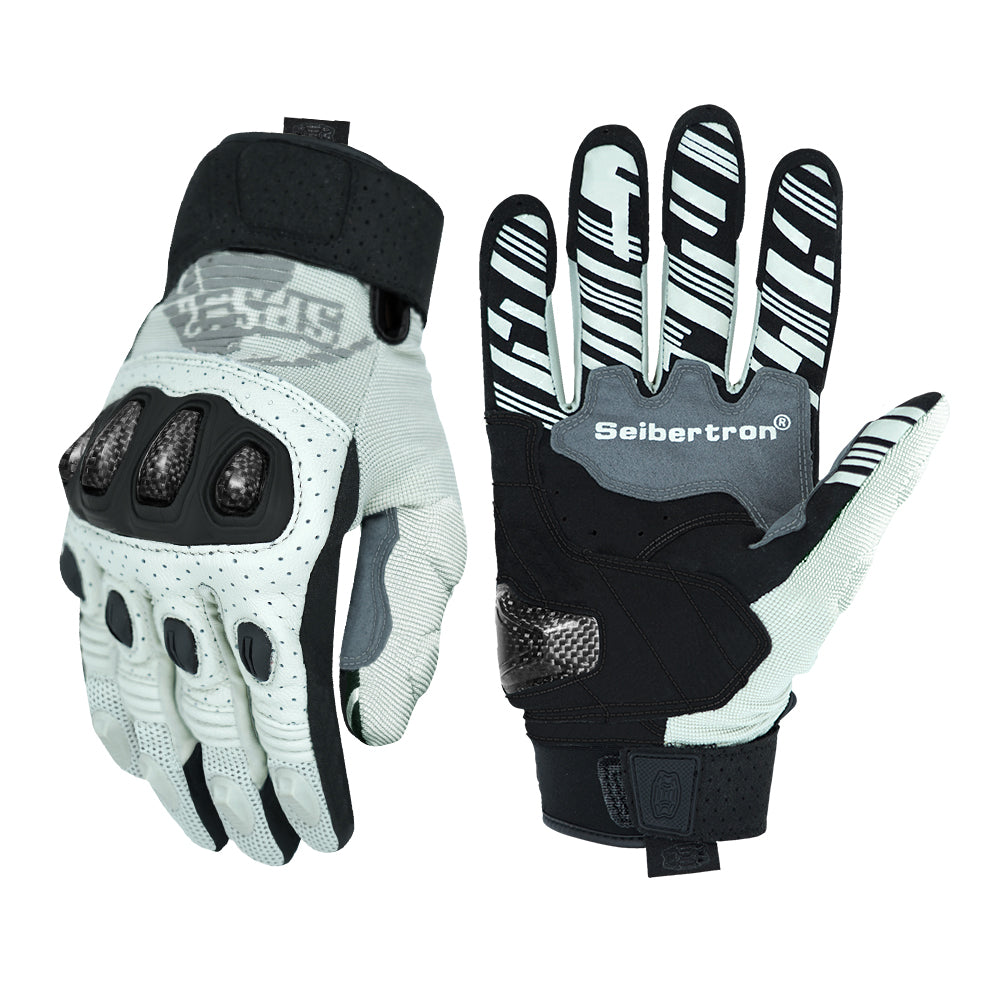
Navigating the complex landscape of motorcycle glove pricing requires insight into market dynamics, manufacturing costs, and distribution channels. As we approach 2026, understanding the rider gloves price structure becomes increasingly vital for both individual consumers and bulk buyers. This comprehensive guide examines the key factors influencing motorcycle gloves price points, compares wholesale versus retail pricing models, and provides actionable intelligence to help you make informed purchasing decisions while ensuring optimal value for your investment in hand protection.
Factors Influencing Motorcycle Glove Pricing
The final biker gloves price tag represents a complex calculation involving multiple variables. Understanding these factors empowers buyers to evaluate products beyond superficial features and make value-driven decisions.
Material Composition and Quality
Leather remains the premium choice for motorcycle gloves, with full-grain cowhide and goatskin commanding higher prices due to superior durability and abrasion resistance. Synthetic materials like Cordura and advanced textiles offer cost-effective alternatives but impact the final bike hand gloves price. Specialized treatments such as waterproof membranes, thermal linings, and perforated cooling panels add significant production costs.
Safety Certifications and Testing
CE certification levels (EN 13594:2015) dramatically influence the pro biker gloves price structure. Gloves meeting Level 2 certification undergo more rigorous testing for impact protection, seam strength, and abrasion resistance, resulting in 15-30% higher manufacturing costs compared to uncertified or Level 1 alternatives.
Brand Positioning and Market Segment
Established brands command premium pricing through reputation, R&D investment, and marketing. The bike rider gloves price for luxury brands can exceed $250, while value-focused manufacturers like Seibertron offer CE-certified protection at more accessible motor gloves price points between $25-$120 without compromising critical safety features.
2026 Price Projections: Wholesale vs Retail
Based on current market analysis and economic forecasting, we anticipate the following pricing trends for motorcycle gloves through 2026:
| Glove Type | Current Avg. Retail Price | Projected 2026 Retail Price | Current Wholesale Price Range | Projected 2026 Wholesale Price |
|---|---|---|---|---|
| Basic Textile Gloves | $25-$45 | $30-$55 (+15%) | $12-$22 | $14-$26 |
| Leather Street Gloves | $50-$90 | $60-$110 (+18%) | $22-$40 | $26-$48 |
| CE Level 1 Gloves | $65-$120 | $75-$140 (+15%) | $28-$55 | $32-$65 |
| CE Level 2 Racing Gloves | $120-$250 | $140-$290 (+18%) | $50-$110 | $60-$130 |
| Specialty (Waterproof/Thermal) | $80-$180 | $95-$210 (+17%) | $35-$80 | $42-$95 |
The projected increases in gloves wholesale price reflect anticipated rises in raw material costs, labor, and compliance expenses. However, efficient manufacturers leveraging economies of scale can mitigate these increases through optimized production.
Wholesale Purchasing Advantages
Bulk buying offers substantial economic benefits for dealers, riding clubs, and safety procurement managers:
Volume Discount Structures
Most manufacturers implement tiered pricing for bulk orders. Typical discount structures:
-
25% off over $500 | 30% off over $1,000 | 35% off over $2,000 | 40% off over $3,000
45% off over $5,000 | 50% off over $10,000
This significantly reduces the effective gloves bulk price per unit, creating opportunities for resellers to maintain healthy margins while offering competitive pricing.
Logistics and Operational Efficiency
Consolidated shipments reduce per-unit shipping costs by up to 40% compared to individual retail fulfillment. Reduced packaging materials and streamlined inventory management further enhance the economic advantage of wholesale purchasing.
Smart Buying Strategies for 2026
Retail Buyer Considerations
Individual riders should evaluate the total cost of ownership rather than just the initial bike riding gloves price. Premium gloves with reinforced palms and double-stitched seams typically offer 3-5 times longer service life than budget alternatives. Seasonal purchasing patterns reveal that new model releases in Q1 often create clearance opportunities for previous season's high-performance gloves at 25-40% discounts.
Wholesale Buyer Strategies
Successful bulk purchasers develop relationships with manufacturers to access preferential wholesale gloves price structures. Forward buying during offseason production months (typically November-February) can secure 5-15% additional savings. Diversifying orders across multiple glove categories helps mitigate inventory risk while catering to varied customer preferences.
Explore our competitively priced CE-certified motorcycle gloves collection designed to offer exceptional value without compromising safety.
Motorcycle Gloves Price & Care FAQ
Why do CE-certified gloves cost more?
CE certification requires rigorous laboratory testing, specialized materials, and reinforced construction to meet impact protection standards (EN 13594:2015). These compliance costs typically add 20-35% to the base motorcycle gloves price but provide verified protective benefits.
How much should I budget for quality motorcycle gloves?
For reliable protection, allocate $60-$120 for street riding gloves. This price range typically includes CE Level 1 or 2 certification, quality leather construction, and reinforced impact zones. Our value-engineered gloves deliver certified protection at the lower end of this range.
What's the minimum order quantity for wholesale pricing?
Most manufacturers establish minimum orders of 10-24 pairs to qualify for wholesale gloves price tiers. Some offer mixed-case ordering allowing combinations of styles and sizes to reach volume thresholds while maintaining variety.
How can I extend the lifespan of my motorcycle gloves?
Proper care significantly extends glove longevity. Clean leather regularly with pH-neutral products, avoid direct heat when drying, and store in a cool, dry place. Using waterproof treatments preserves material integrity. Well-maintained premium gloves can last 3-5 riding seasons, improving your long-term biker gloves price value.
Conclusion: Strategic Purchasing for Value and Protection
Navigating the 2026 motorcycle glove market requires understanding the nuanced relationship between cost, certification, and construction quality. While retail bike rider gloves price points will experience moderate inflation, informed buyers can leverage wholesale opportunities and value-focused brands to obtain CE-certified protection without premium markups. Remember that the true cost of inadequate hand protection far exceeds the price differential between budget and quality gloves. By applying the insights from this guide, both individual riders and bulk purchasers can optimize their investment in essential riding safety equipment.
Discover our full range of competitively priced, CE-certified gloves at Seibertron's motorcycle gloves collection, where premium protection meets intelligent pricing for every rider.
Choose the riding glove that matches your route

S.P.S.G-3 Fingerless Cycling Gloves
Best starting point for shoppers comparing warm-weather riding gloves with UPF100+ sun protection, fingerless control, and outdoor sport use.
- UPF100+ sun protection
- Fingerless control
- Cycling-ready use
- Breathable outdoor feel
- Anti-slip handling
- Multiple sizes
S.P.S.G-3 Fingerless Cycling Gloves
For shoppers comparing riding and outdoor gloves by grip, airflow, sun coverage, control, and sport use.

G.A.R.G 2.0 Anti-Impact
For shoppers comparing riding and outdoor gloves by grip, airflow, sun coverage, control, and sport use.

Seibertron B-A-R PRO 2.0 Adult Baseball & Softball Batting Gloves - Super Grip
For shoppers comparing riding and outdoor gloves by grip, airflow, sun coverage, control, and sport use.

Seibertron Full Finger Padded Palm Lightweight Breathable Climbing Rope Gloves
For shoppers comparing riding and outdoor gloves by grip, airflow, sun coverage, control, and sport use.
Keep comparing before you choose
Read more riding glove guides
 How to Keep Hands Warm When Riding a Motorcycle in WinterRead article
 Best Leather Motorcycle Racing Gloves for 2026: Complete Guide for Riders & Track PerformanceRead article
 Best Black Leather Motorcycle Gloves for Men in 2026: Safety, Style & Buying GuideRead article
 2026 Ultimate Guide: Best Waterproof & Breathable Summer Motorcycle Gloves for All WeatherRead article
 Goatskin vs Leather Motorcycle Gloves: Which Is Better?Read article
 Best Motorcycle Gloves for Summer: Top Picks for Comfort and Protection (2026)Read article
 Leather vs Textile Motorcycle Gloves: Which Is Better?Read article
 How to Make Leather Motorcycle Gloves Waterproof: The Ultimate GuideRead article
 Motorcycle Gloves for Rental Fleets: Buyer's GuideRead article
 The Best Women's Leather Motorcycle Gloves for 2026: Top Picks and ReviewsRead article