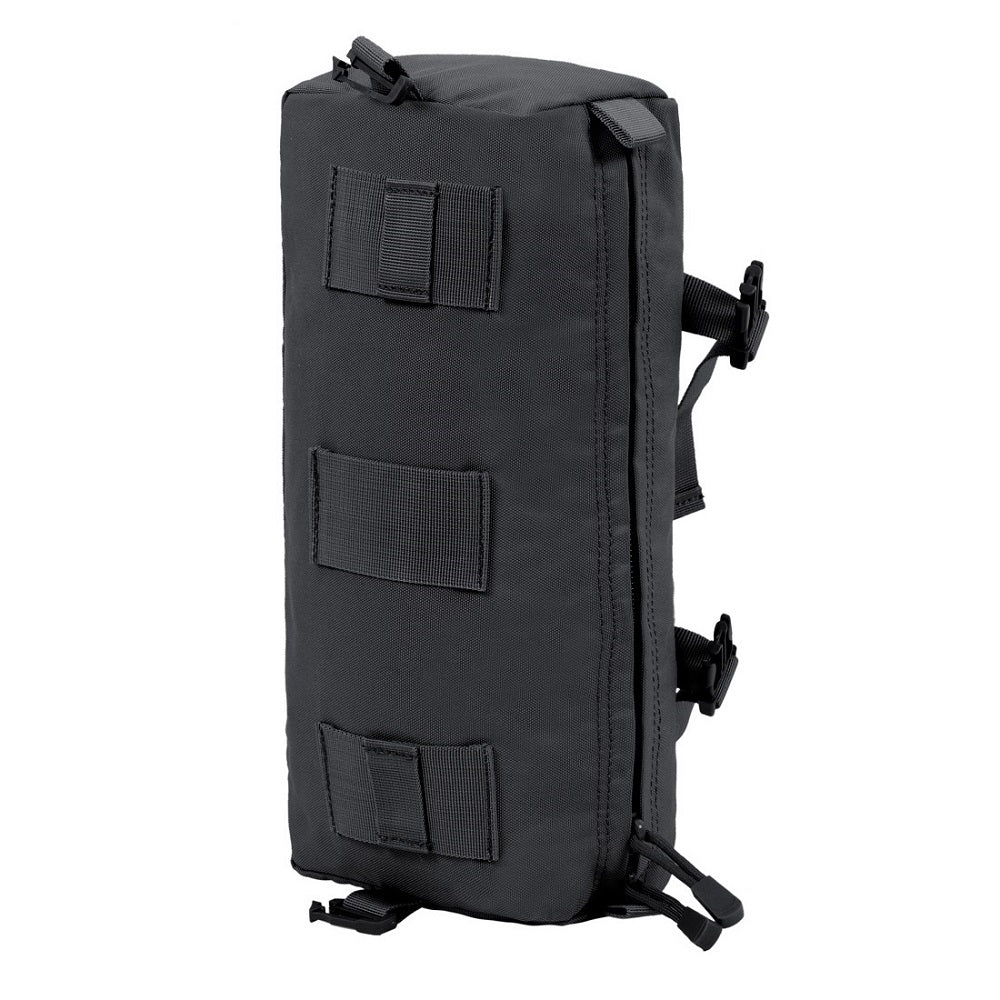
The hardest thing to find in a backpack is often the smallest: a key, an adapter or the pair of gloves you put away yesterday. Before you shop for a larger bag, try giving your current pack a ten-minute reset.
The goal is a layout you can remember. Every item should have a reason to travel and a place to return to at the end of the day.
Minutes 1–2: empty the bag completely
Put everything on a clear surface, including the contents of small pockets. Check for old receipts, unused cables, empty packaging and items left from a trip that finished weeks ago. Inspect the empty bag for loose stitching, damaged zipper pulls and spills that need attention.
Follow the bag's care label before cleaning. Different fabrics, coatings and trim may need different treatment. Let any cleaned areas dry properly before repacking electronics or documents.
Minutes 3–4: sort by how often you reach for it
Divide the remaining items into three groups. This helps you choose a pocket based on a routine rather than filling every available space.
· Frequent access: things you reach for during the day, such as a transit card or small notebook.
· Daily essentials: items you need but do not constantly handle, such as lunch, a device or a spare layer.
· Occasional extras: things that belong in the bag only for a particular activity.
Decide separately where valuables will stay secure. Easy access is useful, but an outside pocket is not automatically the best place for a phone, wallet or keys.
Minutes 5–6: assign pockets by function
Choose one place for small accessories and one for the items you need to find quickly. A compact pouch can keep loose cables and adapters together. Separate food and liquids from electronics and papers, and check bottle lids before putting them in the bag.
If you carry gloves, give them a clean compartment or pouch rather than dropping them among sharp objects or open pens. Keep used or damp gear separate from clean items until you can deal with it at home.
Check the device, not just the screen size
A laptop's advertised screen size does not give you its full outside dimensions. Measure the device with the case or sleeve you normally use. Compare that width, height and thickness with the bag's stated compartment dimensions, including the opening.
If the listing gives only the pack's overall measurements, ask for the compartment measurements before assuming the laptop will fit. You should not have to force the device through a zipper or stretch the fabric to close the bag.
Minutes 7–8: check the load and carry
Pack the items you actually plan to use, then put the bag on. Adjust both shoulder straps so the load sits comfortably. If the model has other adjustment straps, use them according to its instructions.
Walk around briefly. Notice whether items shift, a hard corner presses through the back panel, or a bottle interferes with the way the bag sits. Rearrange the contents and remove unnecessary items before deciding the bag needs more capacity.
Minutes 9–10: make tomorrow's setup repeatable
Write a short packing list on your phone or a card. Keep it specific: device, charging cable, notebook, lunch and the gear needed for that day's activity. A photo of your pocket layout can also help you return everything to the same place.
Do a quick check each evening for food, leaks and damp clothing. The weekly reset then becomes a small adjustment instead of a full clear-out.
Frequently asked questions
Do I need a larger backpack if mine feels crowded?
Empty and sort it first. If all the remaining items are necessary, compare compartment layout and usable dimensions as well as overall capacity.
Does tactical styling mean a bag is waterproof?
No. Check the specific weather-resistance claim, zipper construction and care instructions. Use suitable additional protection for items that must stay dry.
What should I compare when choosing a new everyday pack?
Start with device fit, access to essentials, pocket layout and comfort with your normal load. Then consider the features relevant to your routine.
Build a pack around your day
Explore Seibertron double-shoulder tactical backpacks and compare the listed dimensions and compartment details against your own packing list. Choose the layout that makes your essentials easy to organize.