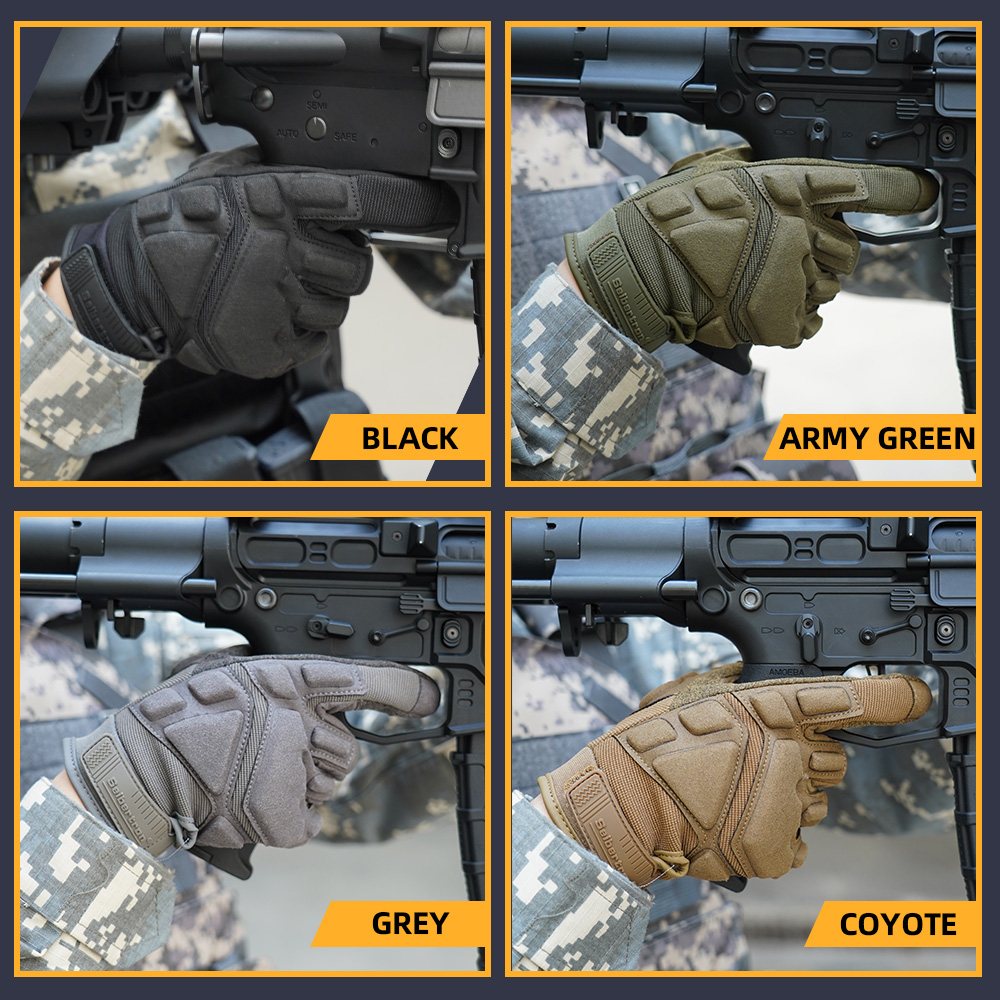
Elite Hand Protection: What Tactical Gloves Do Special Forces Use in Extreme Conditions?
In the unforgiving theater of special operations, where mission success hinges on precision and endurance, the importance of proper hand protection cannot be overstated. **Military gloves** serve as the critical interface between elite operators and their equipment, weapons, and environment. This comprehensive guide examines the sophisticated glove systems trusted by the world's most elite special forces units during winter operations. We'll explore why **tactical gloves for cold weather** represent a vital survival tool rather than mere accessories, examining the exacting standards that special operators demand from their hand protection in sub-zero environments.
Why Hand Protection Matters in Special Operations
For special forces operators conducting reconnaissance, direct action, or counter-terrorism missions in arctic conditions, hands are among the most vulnerable yet mission-critical assets. Frostbite can disable an operator in under 30 minutes at -20°F (-29°C) with wind exposure, making military winter gloves essential survival equipment rather than optional gear.
The Quadfecta of Tactical Hand Protection
Special forces gloves must simultaneously achieve four critical objectives:
- Thermal Regulation: Maintain dexterity without compromising warmth during extended static observation periods
- Environmental Protection: Block wind, moisture, and abrasion while permitting evaporative cooling
- Tactile Precision: Enable delicate manipulations of triggers, optics, and communication equipment
- Durability: Withstand abuse from ropes, rocks, and equipment without failure
The extreme demands of special operations in cold environments have driven innovations in warm tactical gloves technology that eventually trickle down to commercial products.
Anatomy of Elite-Grade Tactical Winter Gloves
Special forces winter soldier hand gloves employ sophisticated layering systems that balance conflicting requirements through material science innovations.
Material Composition Breakdown
| Component | Military Grade Materials | Commercial Equivalents | Function |
|---|---|---|---|
| Outer Shell | Reinforced Cordura, Dyneema, Kevlar blends | 500D-1000D nylon, polyester ripstop | Abrasion/wear resistance |
| Waterproof Barrier | Gore-Tex® Pro, eVent® Dry System | Waterproof breathable membranes | Moisture protection with breathability |
| Insulation | Primaloft® Gold, Climashield® Apex | Synthetic insulation clusters | Warmth retention when wet |
| Liner System | Merino wool, Polartec® Power Dry | Moisture-wicking synthetics | Moisture transport & comfort |
Critical Design Features
Beyond materials, special forces tactical gloves for cold weather incorporate mission-specific features:
- Precision Cut Fingers: Anatomical patterning reduces bulk while maintaining articulation
- Reinforced Contact Points:
- Touchscreen Compatibility: Conductive fibers integrated into trigger fingertips
These features create what many operators consider the best tactical gloves for winter operations where failure isn't an option.
Top 5 Tactical Winter Glove Systems Used by Elite Units
Based on extensive research and operator feedback, these represent the pinnacle of cold-weather hand protection:
1. Modular Three-Layer System (Extreme Cold Weather)
The gold standard for arctic operations features removable components:
- Outer Shell: Waterproof, windproof, and highly abrasion-resistant
- Insulating Mid-Layer: Primaloft® Gold for maximum warmth-to-weight ratio
- Moisture-Wicking Liner: Rapid-drying inner glove worn independently
This system provides adaptability from -40°F to 32°F (-40°C to 0°C) conditions. Special forces consider this the ultimate military gloves winter solution.
2. Hybrid Insulated Combat Gloves
For operations requiring maximum dexterity in moderately cold conditions (-20°F to 40°F / -29°C to 4°C):
- Selective insulation placement (back of hand)
- Reinforced palm with silicone grip patterns
- Extended gauntlet with snow lock
- Touchscreen compatible fingertips
Representing the evolution of winter gloves military specialists prefer.
3. Waterproof Overglove System
Essential for wet-cold environments where immersion is possible:
- 100% waterproof construction
- Seam-sealed construction
- Room for insulated liners
- Retention strap system
These represent the best waterproof tactical gloves for amphibious operations.
4. Heated Glove Systems
For long-duration static positions in extreme cold:
- Carbon fiber heating elements
- Rechargeable battery systems
- Multiple heat settings
- Water-resistant construction
Increasingly adopted for specialized cold weather reconnaissance missions.
5. Reinforced Climbing Gloves
For mountain and vertical operations:
- Reinforced palm and thumb crotch
- Excellent ice tool compatibility
- Balanced insulation
- Secure wrist closure
Representing specialized tactical gloves cold weather solutions.
Special Forces Selection Criteria for Winter Gloves
When evaluating best tactical winter gloves, special operations procurement specialists apply rigorous standards:
Performance Metrics
- Cold Immersion Survival: Maintain digit function after 30-minute water immersion at 32°F (0°C)
- Dexterity Threshold: Ability to manipulate 5mm objects at -20°F (-29°C)
- Grip Retention: Maintain 80% wet/dry grip coefficient after 72hr continuous use
- Waterproof Integrity: Minimum 24hr hydrostatic head rating of 20,000mm
Durability Requirements
Special forces army gloves undergo brutal testing protocols:
- 200+ hour abrasion resistance testing
- 50+ extreme temperature cycles (-40°F to 120°F)
- Chemical/UV resistance validation
- Repeated freeze/thaw cycle testing
Commercial Options Inspired by Special Forces Gear
While exact special forces equipment isn't commercially available, several brands produce gloves meeting military specifications:
- Extreme Cold Weather Gloves: Feature multi-layer construction with waterproof-breathable membranes
- Waterproof Insulated Gloves: Built with sealed seams and advanced synthetic insulation
- Tactical Hybrid Gloves: Balance warmth and dexterity with reinforced palms
- Modular Systems: Allow customization for changing conditions
Experience Special Forces-Inspired Protection
Discover our collection of professional-grade Seibertron tactical gloves engineered to military specifications
View Tactical Gloves CollectionConclusion: The Science of Hand Protection
Special forces military winter gloves represent the pinnacle of protective technology, balancing seemingly contradictory requirements through advanced materials science and thoughtful design. The best tactical gloves for cold weather create a microclimate around the hands—blocking external threats while managing internal moisture and temperature. Whether facing arctic winds, wet conditions, or extreme terrain, the modern special forces glove provides protection without compromising capability. For operators and civilians alike, understanding these design principles is the first step toward selecting truly effective hand protection for harsh environments.
FAQs: Seibertron Tactical Winter Gloves
How should I layer gloves for extreme cold?
For temperatures below -10°F (-23°C), we recommend a three-layer system: 1) Thin moisture-wicking liner glove 2) Insulating mid-layer glove 3) Waterproof/windproof outer shell. This allows flexibility as conditions change.
Can I use my tactical gloves with touchscreen devices?
Yes, most modern Seibertron tactical gloves feature conductive fiber technology in the thumb and index finger, allowing full touchscreen functionality without removing your gloves.
How do I clean and maintain my winter tactical gloves?
Follow these steps for longevity: 1) Spot clean with damp cloth for minor dirt 2) For deeper cleaning, hand wash in lukewarm water with technical gear detergent 3) Rinse thoroughly 4) Air dry away from direct heat 5) Reapply DWR treatment periodically.
What makes waterproof gloves different from water-resistant?
Waterproof gloves (like our best waterproof tactical gloves) feature fully sealed seams and waterproof membranes that prevent any water penetration, even during prolonged exposure. Water-resistant gloves can withstand light moisture but will eventually soak through under heavy rain or immersion.
How do I choose between insulation weights?
Consider your activity level and temperature range:
Light insulation: 40-60g - Active use in moderately cold conditions
Medium insulation: 80-120g - Mixed activity in cold conditions
Heavy insulation: 150g+ - Limited movement in extreme cold
Where can I find genuine special forces-grade gloves?
While exact military-issue gloves aren't commercially available, our tactical gloves collection meets or exceeds military specifications for materials, construction, and performance.
Choose the tactical glove that matches your task

S.O.L.A.G Full Finger Tactical Gloves
Best starting point for shoppers comparing full-finger tactical gloves with outdoor utility, touchscreen convenience, hand coverage, and secure fit.
- Full-finger coverage
- Touchscreen convenience
- Outdoor utility
- Secure wrist fit
- Adult and youth options
- Multiple colors and sizes
S.O.L.A.G Full Finger Tactical Gloves
For shoppers comparing tactical gloves by hand coverage, dexterity, touchscreen convenience, outdoor utility, and secure fit.

S.O.L.A.G Half Finger Gloves
For shoppers comparing tactical gloves by hand coverage, dexterity, touchscreen convenience, outdoor utility, and secure fit.

S.O.L.A.G-T Half Finger Gloves
For shoppers comparing tactical gloves by hand coverage, dexterity, touchscreen convenience, outdoor utility, and secure fit.

S.O.L.A.G 2.0 Full Finger Gloves
For shoppers comparing tactical gloves by hand coverage, dexterity, touchscreen convenience, outdoor utility, and secure fit.
Keep comparing before you choose
Read more tactical glove guides
 What Are Combat Gloves for? A Guide to Choosing the Best Tactical GlovesRead article
 Why Breathable Tactical Gloves Are Essential for Law Enforcement, Military, and Security ProcurementRead article
 What Gloves Does SAS Use? Tactical Gloves for Elite ForcesRead article
 What Gloves Do Killers Wear? Understanding Tactical GlovesRead article
 What's the Point of Tactical Gloves? Understanding Their Essential RoleRead article
 Why Do People Wear Gloves with Guns? The Essential Role of Tactical GlovesRead article
 Why Do Police Use Mechanix Gloves?Read article
 How Much Cloth Do Tactical Gloves Give?Read article
 What is the best color for tactical gloves?Read article
 Why Do People Wear Tactical Gloves?Read article