What Destroys Nitrile Gloves? Your Complete Guide
Nitrile gloves are a go-to choice for professionals and DIY users in medical, industrial, automotive, and cleaning tasks due to their excellent puncture resistance, chemical protection, and latex-free composition. Their synthetic rubber construction provides reliable barrier properties against oils, acids, and solvents, making them more durable than latex or vinyl alternatives.
However, even nitrile isn't invincible—what destroys nitrile gloves can lead to dangerous failures during critical work. This guide details the chemicals, physical stresses, environmental factors, and habits that cause nitrile glove degradation, plus practical tips on prevention and when to choose enhanced Seibertron gloves for demanding environments.
Properties of Nitrile Gloves
Nitrile, or NBR (acrylonitrile-butadiene rubber), is a petroleum-based synthetic that excels in resisting petroleum-based hydrocarbons, greases, and many aqueous solutions, with typical breakthrough times of 8+ hours for compatible chemicals. While thinner disposable versions (4-6 mil) suit light tasks, heavier-duty nitrile offers superior tear resistance, though no material withstands everything—knowing its limits prevents nitrile glove damage.
Factors That Destroy Nitrile Gloves
Aggressive Chemicals and Solvents
Certain strong solvents like acetone, ketones (e.g., MEK), tetrahydrofuran (THF), and aromatic hydrocarbons rapidly permeate or degrade nitrile, causing swelling, softening, or breakthrough in minutes. Concentrated acids such as 70% nitric acid, 95% sulfuric acid, or hydrofluoric acid also attack the material, compromising protection—always consult chemical compatibility charts before use to avoid what destroys nitrile gloves in your specific application.
Physical Damage: Cuts, Abrasions, and Punctures
Sharp edges, metal shavings, rough concrete, or repeated friction from tools tear thin disposable nitrile gloves, which lack the reinforcement of heavy-duty alternatives. While nitrile is 3x more puncture-resistant than latex, it's no substitute for cut-resistant gloves in high-risk mechanical work—layering or upgrading prevents failures.
Heat, UV, and Environmental Exposure
High temperatures above 100°F (38°C), prolonged UV sunlight, and ozone weaken nitrile's molecular structure, leading to brittleness, cracking, and reduced elasticity over time. Humidity accelerates surface degradation, shortening shelf life from 3-5 years to months if stored poorly—nitrile glove degradation from environment is preventable with proper habits.
Improper Use and Reuse
Stretching ill-sized gloves, reusing single-use disposables after contamination, or cumulative exposure to borderline chemicals creates micro-tears and hidden weaknesses. Overstretching during donning or prolonged wear beyond 8 hours exacerbates fatigue, turning reliable protection into a liability.
How to Protect Nitrile Gloves from Damage
Choose the right thickness: Heavier 8-15 mil nitrile for tough tasks like automotive or lab work withstands punctures better than thin exam gloves.
Avoid incompatible chemicals: Confirm resistance via charts before use; switch to neoprene or Viton for ketones and strong solvents.
Inspect before and after use: Check for tears, soft spots, or swelling—discard if compromised to avoid what destroys nitrile gloves in action.
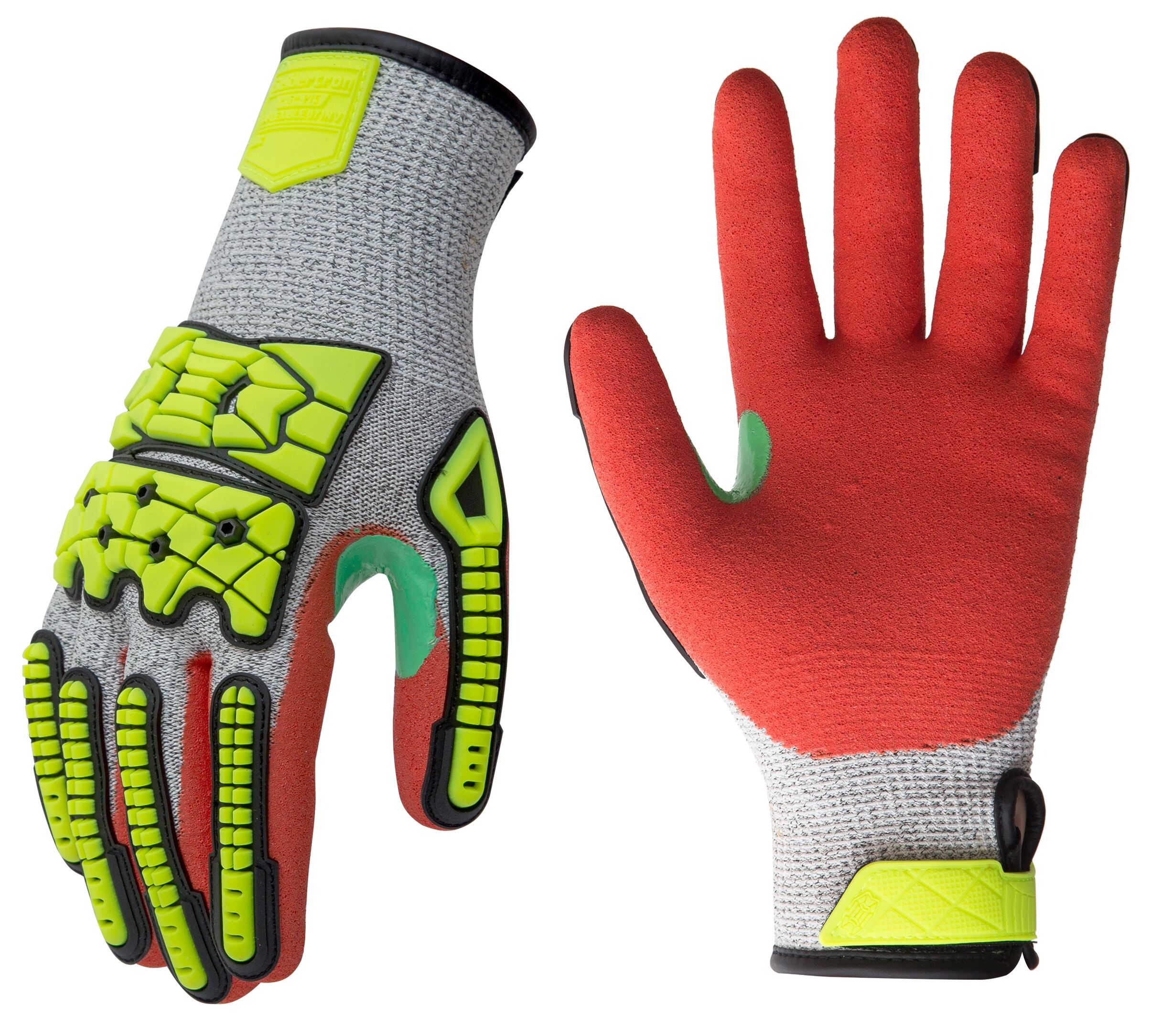
Layer when needed: Wear nitrile under heavier Seibertron work gloves for mechanical protection in abrasive environments.
Storage and Shelf Life
Optimal storage preserves nitrile integrity for 3-5 years:
- Cool, dry, dark storage: Below 77°F (25°C), away from sunlight and ozone generators.
- Avoiding direct sunlight and heat sources: UV and heat cause premature embrittlement.
- Observing manufacturer shelf-life guidance: Rotate stock for Seibertron nitrile gloves and check expiration dates.
Signs Your Nitrile Gloves Are Failing
Monitor for these indicators of degradation to stay safe:
- Softening, swelling, or brittleness: Chemical attack or aging alters texture.
- Discoloration or sticky texture: Yellowing, darkening signals breakdown.
- Visible cracks, tears, or thinning: Physical or environmental damage.
- Loss of fit and elasticity: Gloves feel loose or snap easily.
Frequently Asked Questions (FAQ)
Do all chemicals destroy nitrile gloves the same way?
No—ketones cause rapid permeation, acids lead to swelling, while oils have minimal effect. Breakthrough time, degradation rate, and permeation vary; always use compatibility data for specifics.
Can I wash and reuse disposable nitrile gloves?
No, single-use nitrile loses integrity after washing, creating contamination risks and micro-tears. Dispose after one use, especially post-chemical exposure.
How long do nitrile gloves last in storage?
3-5 years if stored cool, dry, and dark; inspect for degradation signs regardless of date, as real-world conditions accelerate what destroys nitrile gloves.
What should I wear if nitrile is not strong enough?
Opt for butyl, neoprene, or Viton gloves for extreme chemicals; add cut-resistant overgloves like Seibertron options for mechanical hazards.

Understanding what destroys nitrile gloves—from aggressive solvents and physical abuse to poor storage—helps professionals avoid dangerous failures in high-stakes tasks. Pairing proper glove selection with robust Seibertron’s protective gear keeps hands safer, extending protection in even the most demanding environments.
Choose the glove category that matches your activity

G.A.R.G 2.0 Anti-Impact Receiver Gloves
A useful starting point for shoppers comparing Seibertron sports gloves with grip focus, impact-focused construction, and broad size and color choices.
- Sports glove options
- Grip-focused choices
- Adult and youth ranges
- Multiple categories
- Size comparison paths
- Care and shipping resources
G.A.R.G 2.0 Anti-Impact
For shoppers comparing Seibertron glove categories by activity, fit, coverage, grip, and care needs.

Seibertron B-A-R PRO 2.0 Adult Baseball & Softball Batting Gloves - Super Grip
For shoppers comparing Seibertron glove categories by activity, fit, coverage, grip, and care needs.

Seibertron Full Finger Padded Palm Lightweight Breathable Climbing Rope Gloves
For shoppers comparing Seibertron glove categories by activity, fit, coverage, grip, and care needs.

S.O.L.A.G 2.0 Full Finger Gloves
For shoppers comparing Seibertron glove categories by activity, fit, coverage, grip, and care needs.
Keep comparing before you choose
Read more Seibertron glove guides
 What brand of batting gloves are the best?Read article
 What is the Highest Level of Cut-Resistant Gloves?Read article
 Which Is Safer, Nitrile or Latex Gloves?Read article
 What are the best cut-proof gloves?Read article
 What gloves will thorns not go through?Read article
 What kind of gloves protect against cuts?Read article
 What Are Level 5 Gloves?Read article
 What Is the Highest Level of Cut-Resistant Gloves?Read article
 What gloves do NFL linebackers wear?Read article
 What are the best quality batting gloves?Read article