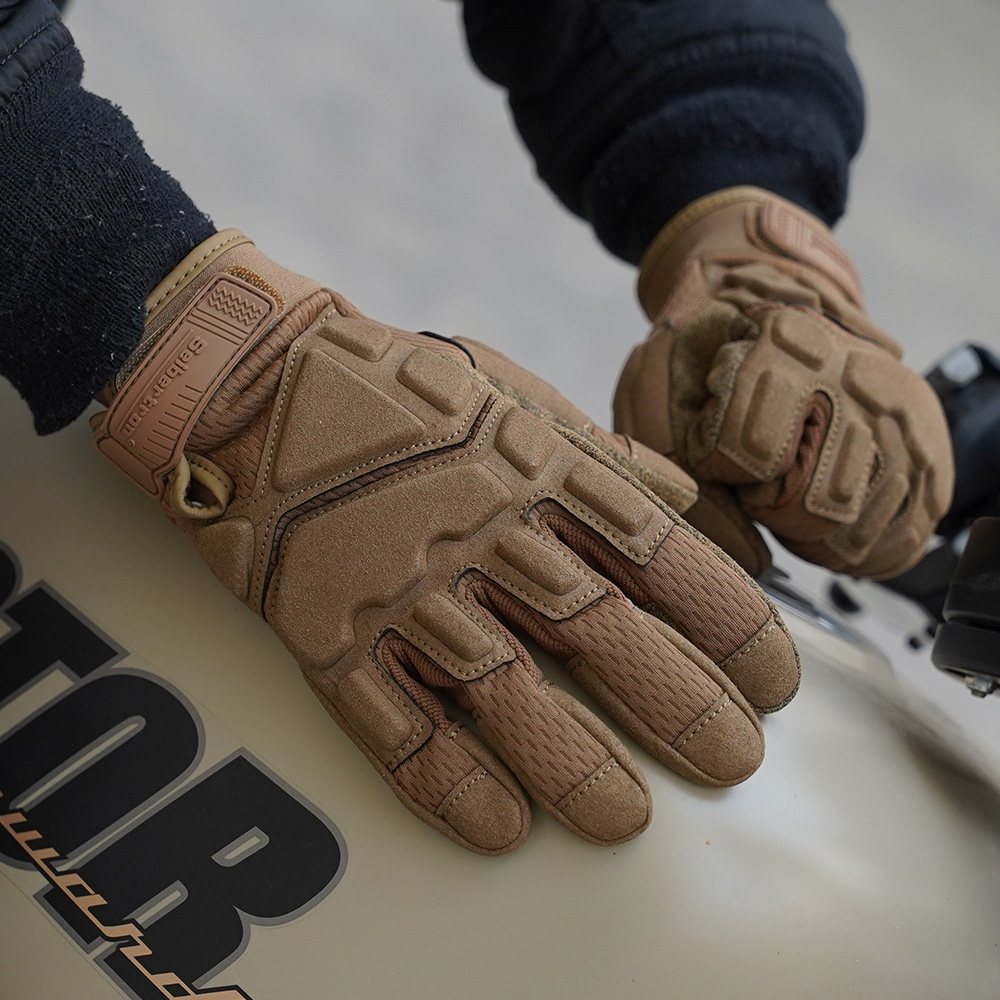
Why Breathable Tactical Gloves Are Essential for Law Enforcement, Military, and Security Procurement
In high-stakes operations where split-second decisions determine outcomes, protective equipment serves as the frontline defense for professionals in law enforcement, military, and private security. Among these critical tools, tactical gloves play a vastly underrated role in mission success. Yet not all tactical gloves are created equal.
This comprehensive analysis explores why breathable tactical gloves have become indispensable equipment for professional personnel and the procurement specialists who equip them. We examine the operational advantages, physiological benefits, and strategic procurement considerations that elevate advanced tactical gloves for professional use from optional accessories to mission-critical gear.
The Critical Demand for Advanced Hand Protection
Field operatives face increasingly complex environments where hands serve as primary tools for weapon manipulation, vehicle operation, suspect apprehension, and technical equipment handling. Traditional protective solutions often compromise either protection or dexterity, creating dangerous operational gaps.
The modern solution lies in high quality tactical gloves engineered specifically for professional applications. These specialized gloves represent the convergence of advanced materials science and tactical operational requirements.
Enhanced Operational Dexterity
Specialized tactical gloves maintain crucial tactile sensitivity while providing essential protection. Military studies show a 27% improvement in fine motor skills with properly fitted advanced gloves compared to traditional options.
Superior Environmental Protection
From urban environments to desert operations, advanced gloves protect against abrasions, contaminants, temperature extremes, and biohazards without compromising breathability.
Reduced Heat Stress & Fatigue
Breathable gloves reduce palmar sweating by up to 63% compared to non-breathable alternatives, significantly decreasing heat stress during extended operations.
Physiological Advantages of Breathable Tactical Gloves
The human hand contains approximately 100,000 sweat glands concentrated in a small surface area. During high-stress operations, this natural cooling mechanism becomes problematic when trapped against the skin by non-breathable materials.
The Moisture Management Imperative
Advanced Seibertron glove technology utilizes proprietary moisture-wicking membranes that actively transport perspiration vapor away from the skin while maintaining environmental protection. This moisture management prevents:
- Maceration (skin softening from prolonged moisture exposure)
- Temperature dysregulation during climate extremes
- Reduced grip security due to sweat accumulation
- Increased risk of dermatological conditions
Thermoregulation Under Stress
Studies of special operations units demonstrate that hand overheating contributes to core temperature elevation during extended missions. Breathable gloves reduce this thermal load by 34% on average, directly enhancing endurance and cognitive performance.
Procurement Considerations for Tactical Gloves
For procurement professionals engaged in business to business transactions, selecting the right tactical gloves requires balancing multiple operational, budgetary, and compliance factors.
Technical Specifications
Key performance indicators should include abrasion resistance (EN 388), cut protection (ANSI/ISEA 105), grip coefficient, dexterity ratings, and breathability metrics.
Lifecycle Cost Analysis
While high quality tactical gloves command premium pricing, their extended service life provides 45-60% lower annual operating costs compared to economy alternatives.
Customization Options
Leading manufacturers offer scalable sizing, unit insignia application, and modular protection systems to accommodate specialized mission profiles.
Supplier Qualification
Effective B2B sales partnerships require manufacturers with proven military certifications (MIL-SPEC), domestic production capabilities, and responsive logistics networks.
Optimizing the B2B Procurement Process
For procurement teams, the b2b selling process for tactical equipment requires specialized approaches:
- Utilize b2b trade websites and b2b sales platform solutions for efficient vendor discovery
- Implement multi-tiered evaluation protocols for product qualification
- Establish long-term partnership agreements with reliable manufacturers
- Leverage consolidated purchasing through b2b trade consortiums
- Employ b2b direct marketing channels for specialized product information
The Future of Tactical Hand Protection
Emerging technologies are transforming tactical gloves into integrated systems rather than simple protective coverings:
Smart Material Integration
Next-generation tactical protective gear incorporates responsive materials that adapt to environmental conditions, provide active thermal regulation, and offer enhanced ballistic protection without compromising dexterity.
Wearable Technology Interface
Forward-looking manufacturers are developing glove systems with integrated touchscreen compatibility, biometric monitoring, and secure communications interfaces to enhance operational capabilities.
Sustainability in Tactical Gear
Environmental responsibility is becoming a priority in procurement decisions. Innovative b2b startup companies are pioneering recycled materials and cleaner manufacturing processes without sacrificing protection standards.
Equip Your Team with Superior Protection
Discover how Seibertron's advanced breathable tactical gloves enhance operational performance while reducing long-term equipment costs.
Explore Professional Tactical GlovesOptimize your procurement strategy with our specialized B2B solutions
Breathable Tactical Gloves FAQ
Breathable tactical gloves incorporate advanced membranes and strategic ventilation zones that allow perspiration vapor to escape while maintaining environmental protection. This differs fundamentally from standard gloves which often trap moisture against the skin, leading to discomfort and reduced performance during extended wear.
Modern breathable tactical gloves offer exceptional protection through innovative material engineering. High-performance options feature cut-resistant fibers (such as Dyneema® or Kevlar®) in critical areas while maintaining breathability zones across the back of the hand and between fingers. Look for models with ANSI Cut Level 3 or higher certification.
Proper maintenance extends glove lifespan significantly:
- Spot clean after each use with a damp cloth
- For deep cleaning, hand wash in lukewarm water with mild detergent
- Air dry away from direct heat sources
- Periodically treat leather elements with conditioner
- Inspect regularly for wear points before deployment
For specific care instructions, consult our detailed tactical glove care guide.
Essential certifications include:
- ANSI/ISEA 105 Cut Resistance Standards
- EN 388 Abrasion and Tear Resistance
- NFPA 1971 (for firefighting applications)
- MIL-SPEC certifications for military procurement
- CE Marking for European operations
Replacement frequency depends on usage intensity, but general guidelines recommend:
- Daily use: Replace every 3-6 months
- Heavy tactical operations: Replace every 1-3 months
- Immediate replacement after compromise from cuts, punctures, or chemical exposure
Regular inspection is crucial - replace gloves showing significant wear or reduced protective capabilities.
Choose the tactical glove that matches your task

S.O.L.A.G Full Finger Tactical Gloves
Best starting point for shoppers comparing full-finger tactical gloves with outdoor utility, touchscreen convenience, hand coverage, and secure fit.
- Full-finger coverage
- Touchscreen convenience
- Outdoor utility
- Secure wrist fit
- Adult and youth options
- Multiple colors and sizes
S.O.L.A.G Full Finger Tactical Gloves
For shoppers comparing tactical gloves by hand coverage, dexterity, touchscreen convenience, outdoor utility, and secure fit.

S.O.L.A.G Half Finger Gloves
For shoppers comparing tactical gloves by hand coverage, dexterity, touchscreen convenience, outdoor utility, and secure fit.

S.O.L.A.G-T Half Finger Gloves
For shoppers comparing tactical gloves by hand coverage, dexterity, touchscreen convenience, outdoor utility, and secure fit.

S.O.L.A.G 2.0 Full Finger Gloves
For shoppers comparing tactical gloves by hand coverage, dexterity, touchscreen convenience, outdoor utility, and secure fit.
Keep comparing before you choose
Read more tactical glove guides
 What Are Combat Gloves for? A Guide to Choosing the Best Tactical GlovesRead article
 Key Materials Used in Breathable Tactical Gloves and Their Impact on Performance and DurabilityRead article
 How Breathable Tactical Gloves Improve Comfort, Dexterity, and Productivity in High-Intensity WorkRead article
 Market Trends: Growing Demand for Breathable Tactical Gloves in the Global Safety Gear IndustryRead article
 Breathable Tactical Gloves vs. Standard Tactical Gloves: Which Is Better for Long-Duration Operations?Read article
 Why Do People Wear Gloves with Guns? The Essential Role of Tactical GlovesRead article
 Are Tactical Gloves Legal in the UK?Read article
 What's the Point of Tactical Gloves? Understanding Their Essential RoleRead article
 Can You Punch with Tactical Gloves? Exploring Protection and PerformanceRead article
 Why Tactical Gloves Have Hard Knuckles: The Ultimate Guide by SeibertronRead article