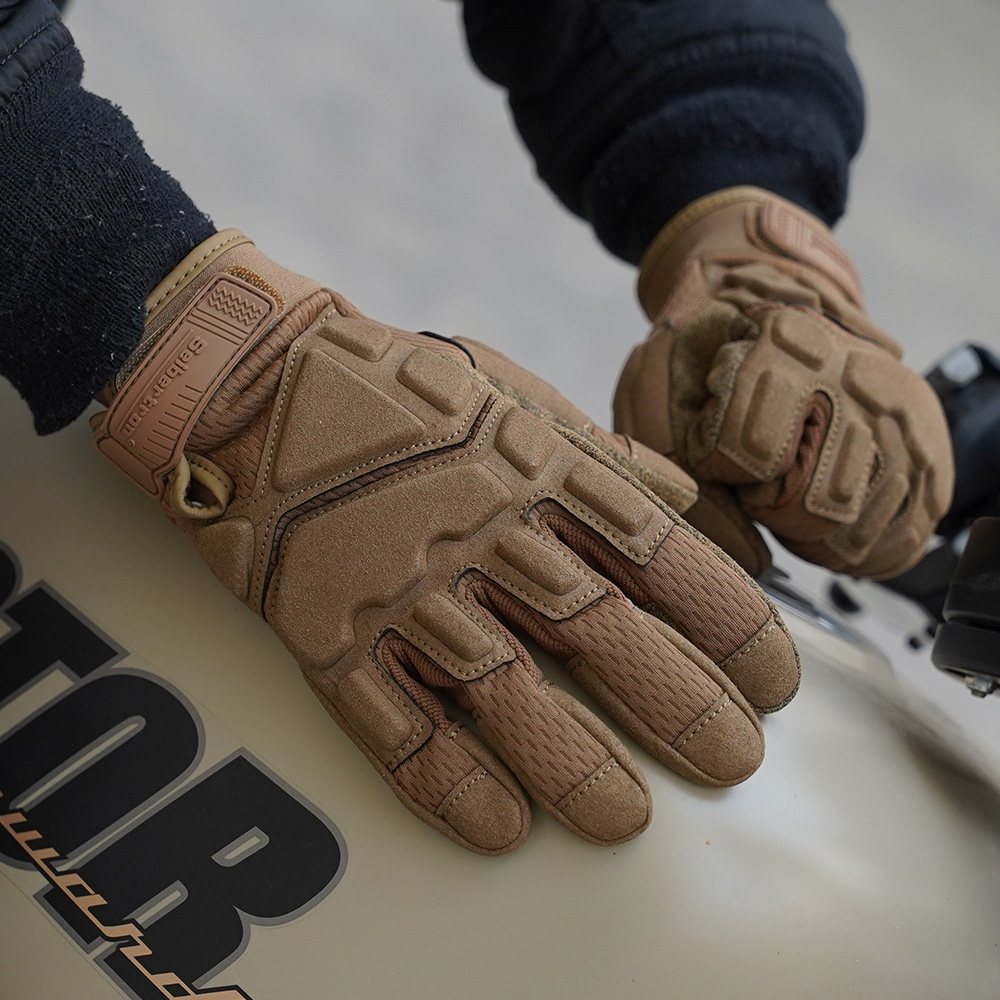
In the demanding world of tactical operations, every piece of equipment matters—none more so than the gloves that protect and empower professionals in high-stakes environments. Breathable tactical gloves represent a pinnacle of protective gear innovation, combining advanced materials with ergonomic design to deliver uncompromising performance. For B2B buyers sourcing tactical gloves for professional use, understanding material science is paramount to making informed purchasing decisions that impact operational effectiveness and user safety.
This comprehensive analysis explores the sophisticated materials engineering behind high-performance tactical gloves, examining how each component contributes to durability, dexterity, and protection. We'll reveal why material selection directly impacts mission success and how forward-thinking manufacturers like Seibertron are advancing the field through innovative textile technologies.
The Critical Role of Materials in Tactical Gloves
Tactical gloves serve as the primary interface between operators and their environment, requiring a delicate balance of protection and sensitivity. Unlike standard work gloves, they must withstand extreme conditions while preserving fine motor skills essential for weapon handling and equipment manipulation. The evolution from basic leather designs to today's high quality tactical gloves represents decades of material science breakthroughs.
Why Material Choice Impacts Operational Success
The effectiveness of tactical protective gear hinges on material properties that determine:
- Durability: Resistance to abrasion, tearing, and environmental degradation
- Breathability: Moisture vapor transfer to prevent hand fatigue and maceration
- Dexterity: Flexibility and tactile sensitivity for precision tasks
- Protection: Defense against cuts, punctures, heat, and impact
- Comfort: Reduced fatigue during extended operations
For business to business suppliers, these material characteristics directly translate to customer satisfaction and repeat B2B sales. Distributors seeking premium products understand that material quality influences their reputation in the demanding tactical marketplace.
Breakdown of Key Materials in Modern Tactical Gloves
Synthetic Leathers
Advanced polymers like Clarino and Pittards offer superior abrasion resistance compared to natural leather. These microfiber synthetics provide enhanced durability without compromising flexibility. Modern formulations maintain performance in wet conditions where traditional leather would stiffen and degrade.
High-Performance Textiles
Technical nylon (Cordura) and polyester blends form the foundation of most tactical gloves. These fabrics deliver exceptional tear strength while remaining lightweight. Recent innovations include ripstop weaves that prevent small tears from propagating across the glove surface.
Strategic Mesh Panels
3D spacer mesh in ventilation zones creates air channels that facilitate heat dissipation. These engineered fabrics maintain structural integrity while allowing maximum airflow—critical for preventing hand fatigue during extended missions.
Advanced Reinforcements
Strategic placements of thermoplastic rubber (TPR) or silicone grip patterns enhance durability in high-wear zones. For extreme protection, Dyneema or Kevlar liners provide cut resistance without adding bulk that compromises dexterity.
Moisture Management Technologies
The best breathable tactical gloves incorporate multi-layer moisture control systems. Seibertron gloves feature:
- Hydrophilic inner linings that pull moisture away from skin
- Microporous membranes that allow vapor escape while blocking liquids
- Antimicrobial treatments that prevent odor-causing bacteria
Material Impact on Performance Metrics
| Material Component | Performance Impact | Durability Factor |
|---|---|---|
| Synthetic Leather Palms | Enhanced grip in wet/dry conditions, superior abrasion resistance | 2-3X lifespan compared to natural leather |
| Breathable Mesh Backs | Reduced hand fatigue, 40% better temperature regulation | Maintains integrity through repeated flex cycles |
| Reinforced Knuckles | Impact protection without restricting movement | Withstands compression forces up to 250 PSI |
| Moisture-Wicking Liners | Prevents blistering and skin maceration | Retains wicking properties through 100+ washes |
Breathability vs Protection: The Balancing Act
Creating effective tactical gloves involves resolving the fundamental tension between ventilation and protection. Seibertron engineers achieve this through:
- Zone-specific material mapping that maximizes protection where needed and breathability where possible
- Laser-cut perforations in impact protection pads that maintain structural integrity while allowing airflow
- Variable thickness materials that provide graded protection based on vulnerability
B2B Implications for Tactical Glove Suppliers
For B2B marketing professionals, understanding material specifications is essential for effective marketing business to business. The B2B selling process for professional gear requires technical knowledge that builds credibility with procurement specialists.
Optimizing B2B Sales Platforms
Leading b2b trade websites now feature sophisticated filtering based on material specifications. Savvy buyers search for:
- Specific denier counts (e.g., 600D vs 1000D nylon)
- Material certifications (EN388, ANSI/ISEA)
- Technical features (moisture management, dexterity ratings)
Seibertron's approach to b2b direct marketing includes detailed material specification sheets that help procurement teams justify premium purchases. This creates wonderful B2B relationships built on transparency and technical credibility.
Experience the Seibertron Difference
Discover our premium line of breathable tactical gloves engineered with advanced materials for unmatched performance and durability. Trusted by professionals worldwide.
Explore Professional Tactical GlovesFuture Material Innovations
The frontier of tactical glove materials includes several groundbreaking developments:
- Phase-Change Materials (PCMs): Microencapsulated temperature-regulating compounds that absorb excess heat and release it when hands cool
- Self-Healing Polymers: Materials that automatically repair minor cuts and abrasions when exposed to body heat
- Electroactive Fabrics: Textiles with integrated circuitry that can interface with tactical equipment
- Biodegradable Synthetics: Eco-friendly alternatives that maintain performance while reducing environmental impact
For B2B startups entering the tactical gear space, these innovations create opportunities for differentiation. Forward-thinking distributors monitor these developments to position themselves as technology leaders.
Conclusion
The advanced materials in today's high quality tactical gloves represent a convergence of protection, durability, and comfort that was unimaginable a decade ago. From strategic mesh placements that optimize airflow to synthetic leathers that outperform natural materials, every component serves a precise function in enhancing operational capability.
For procurement specialists navigating B2B trade channels, material knowledge provides the foundation for informed decision-making. When sourcing tactical gloves for professional use, prioritize manufacturers like Seibertron who invest in material science and rigorous testing. The right glove material selection directly translates to enhanced mission success, reduced fatigue, and ultimately, safer operations for tactical professionals.
FAQ: Breathable Tactical Gloves Wearing and Care
Replacement frequency depends on usage intensity but typically ranges from 6-18 months. Inspect regularly for compromised stitching, thinning materials, or reduced elasticity. For professionals in high-wear environments, rotating multiple pairs extends overall lifespan.
Most modern tactical gloves are machine washable using cold water and mild detergent. Avoid bleach and fabric softeners which degrade technical fabrics. Always air dry—never use heat which damages synthetic materials and waterproof membranes.
Properly engineered breathable gloves maintain protection through strategic material placement. Ventilation zones are located in low-risk areas while maintaining full protection across impact points and high-wear surfaces. Look for EN388 or ANSI certifications to verify protection levels.
For synthetic leather palms, use specialized rejuvenating products designed for technical gear. Avoid oils which degrade synthetic materials. For silicone grip patterns, gentle cleaning with isopropyl alcohol removes surface contaminants restoring friction.
Essential certifications include EN388 (mechanical risks), ANSI/ISEA 105 (hand protection), and CE marking for European markets. For specialized applications, consider additional certifications like NFPA 1971 (fire resistance) or CAT II Cut Protection.
Choose the tactical glove that matches your task

S.O.L.A.G Full Finger Tactical Gloves
Best starting point for shoppers comparing full-finger tactical gloves with outdoor utility, touchscreen convenience, hand coverage, and secure fit.
- Full-finger coverage
- Touchscreen convenience
- Outdoor utility
- Secure wrist fit
- Adult and youth options
- Multiple colors and sizes
S.O.L.A.G Full Finger Tactical Gloves
For shoppers comparing tactical gloves by hand coverage, dexterity, touchscreen convenience, outdoor utility, and secure fit.

S.O.L.A.G Half Finger Gloves
For shoppers comparing tactical gloves by hand coverage, dexterity, touchscreen convenience, outdoor utility, and secure fit.

S.O.L.A.G-T Half Finger Gloves
For shoppers comparing tactical gloves by hand coverage, dexterity, touchscreen convenience, outdoor utility, and secure fit.

S.O.L.A.G 2.0 Full Finger Gloves
For shoppers comparing tactical gloves by hand coverage, dexterity, touchscreen convenience, outdoor utility, and secure fit.
Keep comparing before you choose
Read more tactical glove guides
 Why Breathable Tactical Gloves Are Essential for Law Enforcement, Military, and Security ProcurementRead article
 What Are Combat Gloves for? A Guide to Choosing the Best Tactical GlovesRead article
 How Breathable Tactical Gloves Improve Comfort, Dexterity, and Productivity in High-Intensity WorkRead article
 Market Trends: Growing Demand for Breathable Tactical Gloves in the Global Safety Gear IndustryRead article
 Can You Punch with Tactical Gloves? Exploring Protection and PerformanceRead article
 Breathable Tactical Gloves vs. Standard Tactical Gloves: Which Is Better for Long-Duration Operations?Read article
 Can you wear tactical gloves in public?Read article
 Are Tactical Gloves Legal in the UK?Read article
 What's the Point of Tactical Gloves? Understanding Their Essential RoleRead article
 Are tactical gloves legal in the UK?Read article