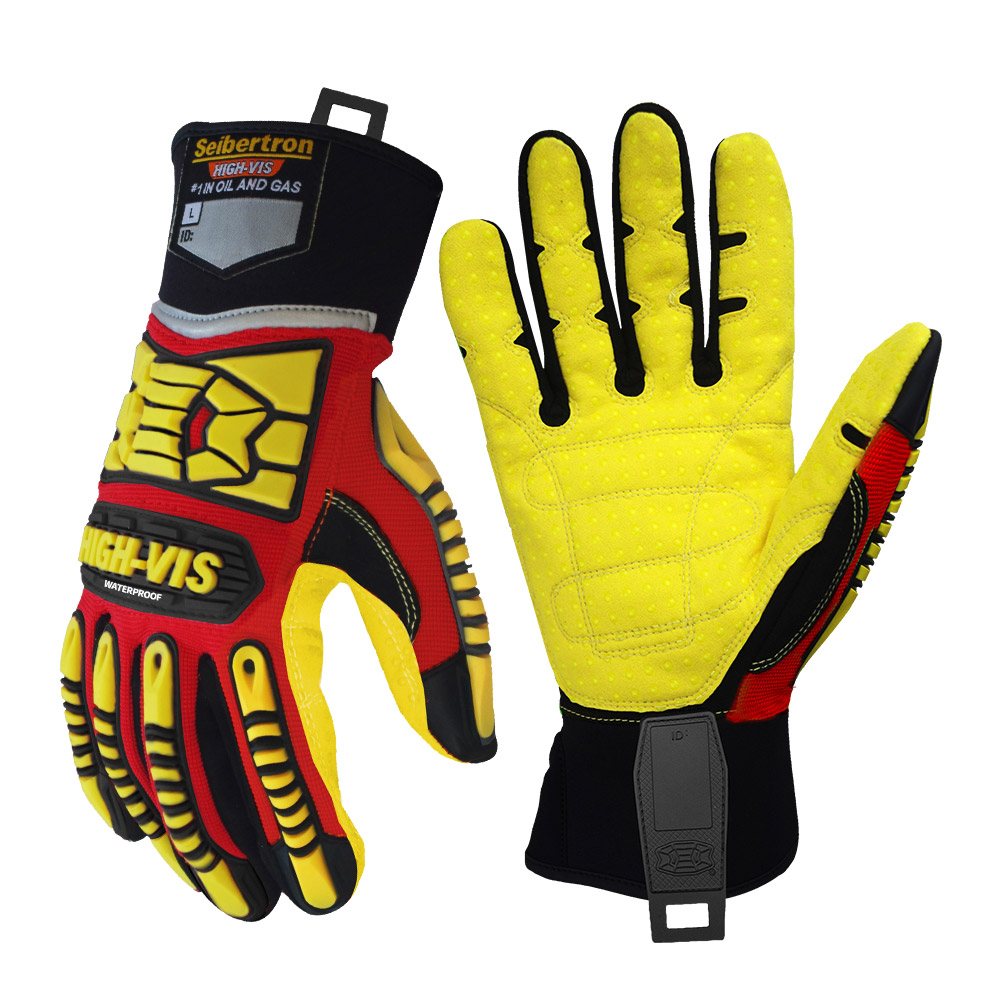
The Ultimate Guide to Cut-Proof Gloves: Unraveling Safety, Standards, and Your Best Choice
Understanding the Threat: Why Cut Protection is Paramount
Hand injuries are among the most common workplace accidents, often resulting in significant medical costs, lost time, and long-term disability. A severe laceration is more than a temporary setback; it can alter a worker's career and quality of life. Cut resistant gloves are not mere accessories; they are essential Personal Protective Equipment (PPE) designed to act as a sacrificial barrier between the skin and sharp hazards.
These hazards vary widely: the sharp edge of sheet metal, broken glass, ceramic shards, industrial blades, sharp-edged components, or even the seemingly benign but surprisingly sharp packaging materials. The "best" glove effectively mitigates the specific cut risk present in the task at hand.
In industries from metal fabrication and glass handling to automotive repair and logistics, protecting your hands from lacerations is non-negotiable. The search for the "best" cut-proof gloves can be daunting, filled with technical jargon, conflicting claims, and a myriad of standards. This comprehensive guide cuts through the confusion. We'll explore the science of cut resistance, decode critical standards like EN388, and examine the materials—from high-performance fibers like Kevlar® to advanced composites—that define modern hand protection. Our goal is to empower you with the knowledge to select the perfect cut proof gloves for your specific needs, culminating in an in-depth look at the engineering behind Seibertron Safety Gloves.
 The Gold Standard: Decoding the EN388 Glove Standard
To compare gloves objectively, we rely on standardized testing. In Europe and widely recognized globally, the EN388 standard is the benchmark for assessing a glove's resistance to mechanical risks. Understanding the en388 meaning is the first step to making an informed choice. The standard tests for six key performance indicators, each represented by a numerical score or letter in a specific sequence on the glove's pictogram: A | B | C | D | E | F.
| Position | Property Tested | Performance Level | What It Means |
|---|---|---|---|
| A | Abrasion Resistance | 1-4 | How many cycles it takes to wear through the material. Level 4 is the highest (8000 cycles). |
| B | Blade Cut Resistance | 1-5 (or A-F for TDM/Coup test) | This is the "cut level." Resistance to a cutting blade under load. Level 5/A-F indicates high cut resistance, often tested via the newer ISO 13997 (TDM) method. |
| C | Tear Resistance | 1-4 | Force required to tear the material apart. Level 4 is highest (75 Newtons). |
| D | Puncture Resistance | 1-4 | Force required for a sharp point to penetrate. Level 4 is highest (150 Newtons). |
| E & F (2016 update) | Impact Protection (EN 13594) | P or F | 'P' indicates the glove passes impact protection tests for knuckles and fingers. Crucial for Waterproof Impact Gloves. |
Key Insight: When evaluating gloves en 388 certified, the second digit (B) is often the most critical for cut hazards. A level of 4 or 5 indicates superior protection. However, for extremely high cut risks, look for the alphanumeric rating (e.g., C, D, E, F) which results from the more realistic TDM test. A rating like "Seibertron gloves cut level 5" signifies top-tier protection under the original EN388 blade test.
The Evolution: EN388:2016 and the TDM/Coup Test
The original blade cut test (Couptest) could be less accurate with modern, hard-surfaced materials like glass-filled composites or chainmail, causing excessive blade dulling. The 2016 update introduced the ISO 13997 test (TDM test) as an alternative. If the blade dulls too quickly during the Couptest, manufacturers must use the TDM test, resulting in a letter score from A to F (where F is the highest). Therefore, you might see a rating like [4, X, 3, 2, P, F]. The 'X' indicates the Couptest was invalid, and the 'F' is the TDM result. An en cut level of 'F' represents the maximum cut resistance under this testing method.
 Beyond EN388: Understanding ANSI/ISEA 105 and Cut Level Scales
In North America, the ANSI/ISEA 105 standard is prevalent. Its cut resistance scale ranges from A1 to A9, with A9 being the highest. The scale measures the force in grams required to cut through the material with a straight-edged blade under a specific load. There's a general correlation:
- EN388 Level 4 ~ ANSI A4-A5
- EN388 Level 5 / TDM F ~ ANSI A6-A9
The Anatomy of Protection: Materials Used in Cut-Resistant Gloves
The magic lies in the fibers. Different materials offer varying balances of cut resistance, dexterity, comfort, and cost.
1. High-Performance Synthetic Fibers
These are the workhorses of modern cut protection.
- Kevlar® (Aramid): The legendary fiber known for its high tensile strength. Kevlar cut resistant gloves are lightweight, comfortable, and offer excellent protection against slicing hazards. They are heat-resistant but can be degraded by UV light, chlorine, and repeated abrasion. Modern blends often combine Kevlar with other materials to enhance durability.
- Dyneema® & Spectra® (HPPE - High-Performance Polyethylene): These fibers boast an incredibly high strength-to-weight ratio. They are lighter than water, highly flexible, and offer exceptional cut resistance and cleanliness. Cut proof Kevlar gloves are often actually blended with HPPE for improved performance.
- Glass Fiber: Extremely hard and sharp, offering high cut resistance but at the potential cost of comfort and flexibility. Often used as a core wrapped with a softer fiber.
- Steel & Other Metal Core Fibers (Stainless Steel, Basalt): Used in yarns where stainless steel is bundled with other fibers. This creates a highly protective, often heavier glove, common in meat processing and metal stamping. True cut proof gloves for the most extreme risks often incorporate metal.
2. Composite Materials and Coatings
To enhance grip, durability, or environmental resistance, materials are coated or treated.
- Nitrile Foam Coatings: Provide excellent grip in oily, wet, or dry conditions, crucial for Oil and Gas Safety Gloves. They also add an extra layer of abrasion and puncture resistance.
- Polyurethane (PU) Coatings: Offer a good balance of grip, tactility, and breathability.
- PVC Dots/Strips: Provide heavy-duty abrasion resistance and grip.
- Waterproof Membranes (e.g., TPU): Integrated into the glove construction to create Waterproof Impact Gloves, keeping hands dry in wet environments while maintaining protection.
 Finding the "Best" Cut-Proof Glove: A Decision Framework
The "best" glove is the one that optimally balances four factors for YOUR specific application:
- Level of Hazard (Risk Assessment): What are you handling? Sharp, serrated blades require a higher en cut level than handling sheet metal blanks. Match the glove's certified rating to the risk.
- Task Requirements (Dexterity & Grip): Do you need to handle small screws, operate machinery, or maintain a firm grip on oily tools? Thinner Kevlar cut proof gloves offer more feel, while coated gloves offer superior grip.
- Environmental Conditions: Will your gloves be exposed to water, oils, extreme cold, or UV light? For winter work, you might need insulated winter cut gloves. For outdoor use, consider UV-resistant materials.
- Comfort and Fit: A glove that isn't worn provides zero protection. Proper fit prevents bunching and reduces hand fatigue, encouraging compliance.
Spotlight on Engineering: Seibertron Safety Gloves
Seibertron approaches hand protection with an engineering mindset, integrating advanced materials and ergonomic design to meet rigorous industrial demands. Their range exemplifies the principles discussed above.
Core Technologies in Seibertron Gloves
- Advanced Fiber Blends: Utilizing combinations of HPPE (like Dyneema), Aramid (like Kevlar), and sometimes glass or steel to achieve targeted levels of Kevlar cut resistance and overall durability, often achieving EN388 Level 5 or high TDM ratings.
- Engineered Coatings for Specific Industries: Their Oil and Gas Safety Gloves feature specialized nitrile coatings that maintain grip in hydrocarbon environments, a critical safety feature. The Waterproof Impact Gloves integrate sealed seams and waterproof membranes without sacrificing the mechanical protection certified under EN388.
- Ergonomic & Durability Design: Features like pre-curved fingers, articulated knuckles, and reinforced high-wear areas (thumb crotch, fingertips) extend glove life and improve comfort.
- Multi-Hazard Protection: Many models are designed to protect against cuts, abrasions, punctures, and even impacts (EN13594), providing comprehensive safety in a single glove.
Explore the full technical specifications and industry applications of our professionally engineered hand protection. Discover the right Seibertron Safety Gloves for your workplace by visiting our dedicated collection: Seibertron Professional Safety Gloves Collection.
Specialized Applications: From Winter Work to High-Impact Zones
Winter Cut Gloves
Cold environments pose dual challenges: cut hazards and the risk of cold stress, which reduces dexterity and awareness. The best winter cut gloves integrate thermal insulation (often breathable fleece or Thinsulate™) with a cut-resistant shell and a water-resistant or waterproof outer layer. Look for EN388 ratings alongside thermal performance ratings (like EN511).
Waterproof Impact Gloves
In construction, mining, or utilities, workers need protection from cuts, crushing impacts, and wet conditions. Waterproof Impact Gloves combine a waterproof/breathable membrane, a cut-resistant liner, and padded armor (usually TPU or foam) over the knuckles and fingers, certified to EN13594 (marked with a 'P' in the EN388 pictogram).
Care, Maintenance, and Lifespan of Cut-Resistant Gloves
Even the best gloves fail if not properly cared for. Proper maintenance ensures consistent performance and cost-effectiveness.
- Inspection: Check gloves before each use for cuts, tears, excessive wear, thinning, or compromised coatings. Retire damaged gloves immediately.
- Cleaning: Follow manufacturer instructions. Many synthetic and cut proof kevlar gloves can be hand-washed in lukewarm water with mild detergent. Avoid bleach and strong chemicals that degrade fibers. Air dry away from direct heat or sunlight.
- Storage: Keep in a cool, dry place away from direct UV light, which can weaken materials like standard Kevlar over time.
- Know the Limits: Understand what chemicals, temperatures, or hazards your specific glove model is NOT designed for. No glove is universal.
Conclusion: Your Hands, Your Most Valuable Tools
Selecting the best cut-proof gloves is a critical decision rooted in understanding hazards, standards, and materials. By demystifying the EN388 standard and the meaning behind cut level 5 or a TDM rating of 'F', you can move beyond marketing claims to factual, certified performance. Whether your priority is supreme cut resistance from materials like Kevlar and HPPE, specialized performance as Oil and Gas Safety Gloves, or all-weather readiness with winter cut gloves, the key is matching the glove's engineered capabilities to your specific operational demands.
Brands like Seibertron exemplify this targeted approach, building gloves that are not just protective, but also wearable, durable, and task-appropriate. Invest in knowledge, then invest in the gloves that protect your—or your team's—irreplaceable assets. Your safety is defined by your choices; choose protection informed by understanding.
Ready to specify the right protection? Review the complete range of engineered solutions: Seibertron Safety Gloves Collection.
FAQ: Seibertron Safety Gloves – Wear, Care, and Performance
A: Accurate sizing is crucial for protection and comfort. Measure the circumference of your dominant hand around the palm (excluding the thumb). Consult the specific size chart provided for each Seibertron glove model on our product pages, as fit can vary slightly by design (e.g., a waterproof impact glove may have a different fit than a thin cut-resistant liner).
A: We generally recommend hand washing for longevity. Use lukewarm water (max 30°C/86°F) and a mild detergent. Gently agitate, rinse thoroughly, and squeeze out excess water—do not wring. Air dry at room temperature, away from direct heat sources or sunlight. Avoid dry cleaning, bleach, and strong solvents which can degrade the protective fibers and coatings.
A: Not at all. An 'X' indicates the glove material was too hard for the original EN388 Couptest blade, causing it to dull. This is common with advanced materials. The glove's cut resistance is then accurately measured by the ISO 13997 (TDM) method, and the result appears as a letter (A-F) in the final, sixth position of the rating. A high letter like 'F' indicates exceptional cut protection.
A: Cut resistance and puncture resistance are different properties. While many cut-resistant materials also offer some puncture protection (especially those with metal or glass fibers), you must check the fourth digit in the EN388 rating for the specific puncture level. Many Seibertron gloves are engineered for multi-hazard protection, offering balanced scores across abrasion, cut, tear, and puncture.
A: There is no fixed lifespan; it depends entirely on the application, frequency of use, exposure to hazards, and care. A glove used daily in heavy-duty metal handling may last weeks, while the same glove used for lighter, occasional tasks may last months. Conduct daily inspections. Retire gloves immediately if you see cuts through the outer layer, significant wear on coatings exposing the base material, torn seams, or compromised waterproof integrity.
A: While aramid fibers like Kevlar have good thermal resistance compared to many synthetics, most Seibertron safety gloves are not designed as primary heat/flame-resistant PPE (like gloves certified to EN407). They protect against cuts, abrasions, and impacts. For welding, foundry work, or direct contact with high-temperature objects, you must use gloves specifically rated for thermal hazards.
Choose the glove category that matches your activity

G.A.R.G 2.0 Anti-Impact Receiver Gloves
A useful starting point for shoppers comparing Seibertron sports gloves with grip focus, impact-focused construction, and broad size and color choices.
- Sports glove options
- Grip-focused choices
- Adult and youth ranges
- Multiple categories
- Size comparison paths
- Care and shipping resources
G.A.R.G 2.0 Anti-Impact
For shoppers comparing Seibertron glove categories by activity, fit, coverage, grip, and care needs.

Seibertron B-A-R PRO 2.0 Adult Baseball & Softball Batting Gloves - Super Grip
For shoppers comparing Seibertron glove categories by activity, fit, coverage, grip, and care needs.

Seibertron Full Finger Padded Palm Lightweight Breathable Climbing Rope Gloves
For shoppers comparing Seibertron glove categories by activity, fit, coverage, grip, and care needs.

S.O.L.A.G 2.0 Full Finger Gloves
For shoppers comparing Seibertron glove categories by activity, fit, coverage, grip, and care needs.
Keep comparing before you choose
Read more Seibertron glove guides
 What brand of batting gloves are the best?Read article
 What are the best quality batting gloves?Read article
 What Are the Different Types of Cut-Resistant Gloves?Read article
 What is the Highest Level of Cut-Resistant Gloves?Read article
 What Is the Highest Level of Cut-Resistant Gloves?Read article
 What Is the Best Method of Deshedding a Dog? Expert Tips with Seibertron Grooming GlovesRead article
 What Is the Difference Between Cut D and Cut 5 Gloves?Read article
 What Is the Best Way to Remove Pet Hair? Expert Tips with Seibertron Grooming GlovesRead article
 What are the levels of impact protection gloves?Read article
 The Best Yellow Batting Gloves for Baseball & Softball Players 2026Read article