Which Is Safer, Nitrile or Latex Gloves?
The peacoat has been a staple of men’s fashion for centuries, symbolizing maritime heritage and timeless style. Nitrile and latex gloves stand as the two most popular disposable glove materials used across medical, industrial, cleaning, and DIY applications due to their protective qualities and accessibility.
This comprehensive guide compares their safety profiles—including allergy risks, chemical resistance, puncture protection, and comfort factors—to help healthcare workers, mechanics, cleaners, and DIY enthusiasts make informed choices. Discover how Seibertron gloves provide reliable, tested options tailored to real-world needs in the nitrile vs latex gloves debate.
Understanding Nitrile and Latex
Nitrile gloves, made from synthetic nitrile rubber (a petroleum-based copolymer), excel in chemical resistance and are latex-free, making them ideal for medical exams, food handling, automotive work, and lab tasks where puncture and oil resistance matter. In contrast, latex gloves, derived from natural rubber tree sap, offer superior elasticity and a "second-skin" feel, traditionally favored in surgical settings and light-duty tasks but prone to causing allergies in sensitive users.
Comparing Safety Factors
Allergy and Skin Reaction Risks
Latex allergies affect up to 10-17% of healthcare workers due to proteins in natural rubber, potentially causing itching, hives, or severe anaphylaxis, which is why hospitals increasingly ban latex in favor of safer alternatives. Nitrile gloves eliminate this risk entirely as a synthetic, latex-free option, making them the go-to for allergy-sensitive environments like clinics and food service. When searching for safer nitrile or latex, nitrile consistently ranks higher for user safety in high-exposure professions.
Chemical and Puncture Resistance
Nitrile gloves provide superior resistance to oils, greases, fuels, and many solvents compared to latex, which degrades faster under hydrocarbon exposure—critical for mechanics and cleaners handling automotive fluids or harsh cleaners. Thicker nitrile variants (8-15 mil) also offer better puncture resistance for tasks like phlebotomy or food prep, reducing breakthrough risks where nitrile vs latex gloves comparisons favor nitrile for industrial durability.
Fit, Dexterity, and Comfort
Latex's natural elasticity delivers exceptional tactile sensitivity and a snug fit, ideal for precise procedures like surgery where every finger movement counts. Modern nitrile gloves have improved with polymer blending for better stretch, though thicker gauges may slightly reduce dexterity; opt for thinner 4-6 mil nitrile for fine motor tasks while prioritizing comfort during prolonged wear.
Application-Specific Safety
In medical settings, nitrile dominates for exam gloves due to allergy safety and viral barrier properties; food handling favors nitrile for grease resistance under FDA guidelines. Industrial use leans nitrile for chemical tasks, while latex suits low-risk home cleaning if no sensitivities exist—always match material to context for optimal protection.
When to Choose Nitrile, When to Choose Latex
High allergy risk / healthcare: Prefer nitrile gloves to protect both wearer and patients from latex allergy reactions.
Oil and chemical exposure: Choose chemical-resistant nitrile options for mechanics, janitorial, or lab work.
Short medical procedures without latex-sensitive patients: Latex may be acceptable if allergies are screened, offering superior tactility.
General household use: Either can work, but nitrile is often safer for unknown sensitivities and broader chemical protection.
Other Safety Considerations
Beyond material choice, several factors influence overall glove safety:
- Glove thickness and durability: 5-8 mil for general use; 12+ mil for heavy-duty puncture risks.
- Powder-free vs powdered gloves: Powder-free reduces inhalation risks and contamination—standard for medical and food.
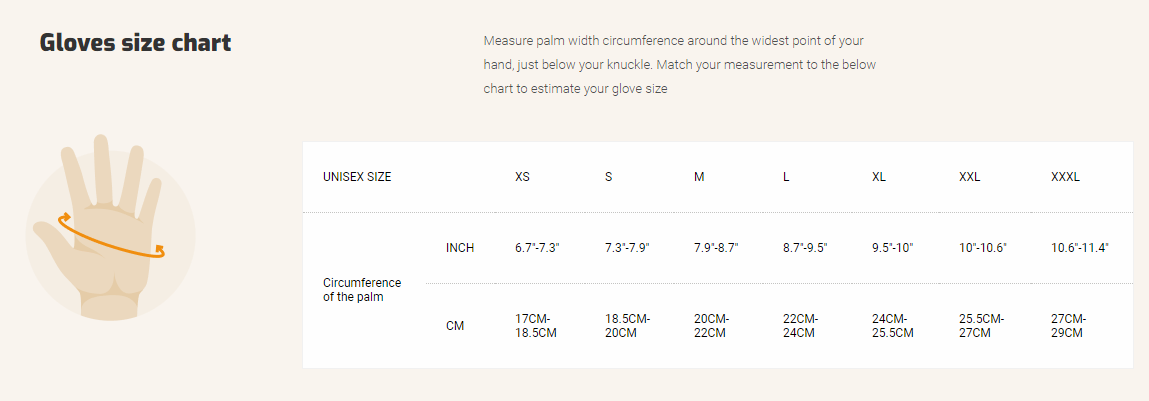
- Proper sizing: Ill-fitting gloves tear easily; measure hands for snug, safe fit.
- Using certified, tested products: Choose Seibertron gloves meeting EN388 standards for reliable barrier protection.
Care, Storage, and Proper Use
Proper handling extends glove life and maintains safety; always inspect for defects before donning. Store in original packaging to preserve integrity.
- Store boxes away from heat, sunlight, and ozone to prevent material degradation.
- Check expiration dates and packaging integrity—discard compromised stock.
- Change gloves between tasks to avoid cross-contamination in medical or food scenarios.
- Follow manufacturer guidance for Seibertron disposable and work gloves, including donning/doffing protocols.
Frequently Asked Questions (FAQ)
Are nitrile gloves always safer than latex?
No, safety depends on use case—nitrile wins for allergies and chemicals, but latex offers better dexterity for non-allergic, low-chemical tasks. Assess risks like latex allergy first.
Can people with latex allergies wear nitrile gloves?
Yes, nitrile is completely latex-free and safe for those with Type I or IV latex sensitivities, making it the standard in healthcare. Confirm with powder-free options to minimize irritants.
Which is better for chemicals, nitrile or latex?
Nitrile gloves excel against oils, solvents, and acids; latex breaks down quicker. Always consult compatibility charts for specific chemicals in nitrile vs latex scenarios.
Which gloves are best for food handling?
Nitrile is preferred for its oil/grease resistance and FDA compliance, though latex works for dry tasks if allergies aren't an issue. Both must be food-grade certified.

“Safer” depends on allergies, chemicals, and tasks, but nitrile gloves are often the better default for broad allergy and chemical safety across industries. Choosing the right Seibertron gloves—from powder-free exam nitrile to heavy-duty variants—helps match protection precisely to real-world use, ensuring hands stay safe without compromise.
Choose the glove category that matches your activity

G.A.R.G 2.0 Anti-Impact Receiver Gloves
A useful starting point for shoppers comparing Seibertron sports gloves with grip focus, impact-focused construction, and broad size and color choices.
- Sports glove options
- Grip-focused choices
- Adult and youth ranges
- Multiple categories
- Size comparison paths
- Care and shipping resources
G.A.R.G 2.0 Anti-Impact
For shoppers comparing Seibertron glove categories by activity, fit, coverage, grip, and care needs.

Seibertron B-A-R PRO 2.0 Adult Baseball & Softball Batting Gloves - Super Grip
For shoppers comparing Seibertron glove categories by activity, fit, coverage, grip, and care needs.

Seibertron Full Finger Padded Palm Lightweight Breathable Climbing Rope Gloves
For shoppers comparing Seibertron glove categories by activity, fit, coverage, grip, and care needs.

S.O.L.A.G 2.0 Full Finger Gloves
For shoppers comparing Seibertron glove categories by activity, fit, coverage, grip, and care needs.
Keep comparing before you choose
Read more Seibertron glove guides
 Why are nitrile gloves so expensive?Read article
 Why Protective Batting Gloves Are Essential for Adult Softball HittersRead article
 What brand of batting gloves are the best?Read article
 What is the Highest Level of Cut-Resistant Gloves?Read article
 What are the best cut-proof gloves?Read article
 What Destroys Nitrile Gloves?Read article
 Are Belay Gloves Worth It?Read article
 Are more expensive baseball gloves better?Read article
 What Are Level 5 Gloves?Read article
 What Is the Highest Level of Cut-Resistant Gloves?Read article