Why Do Cops Always Put Gloves On?
Police officers often put gloves on before searches, traffic stops, medical situations, evidence handling, or physical interventions. It may look routine, but there are several practical reasons behind it.
Gloves help protect officers from contamination, improve grip, reduce exposure to sharp objects, preserve evidence, and provide a safer barrier during unpredictable situations.
Quick Answer
Cops put gloves on to protect themselves, protect evidence, and maintain control during duty tasks. Gloves can reduce contact with bodily fluids, dirt, chemicals, sharp objects, and unknown substances. Tactical gloves may also improve grip, protect hands during searches, and help officers handle equipment more confidently.
Why Gloves Are Part of Police Duty Gear
Police work often involves uncertain environments. Officers may need to search vehicles, handle personal property, respond to injuries, control suspects, move debris, or collect evidence. In many of these situations, bare hands are not ideal.
Gloves create a protective layer between the officer and potential hazards. Depending on the task, an officer may use disposable medical gloves, tactical gloves, cut-resistant gloves, or weather-resistant duty gloves.

Personal Protection
Gloves help reduce direct contact with blood, bodily fluids, dirt, chemicals, and unknown substances.
Evidence Protection
Gloves help limit fingerprints, oils, and contamination when handling evidence or personal items.
Grip and Control
Tactical gloves can improve grip on tools, flashlights, radios, restraints, and vehicle surfaces.
Hand Protection
Duty gloves can help protect against abrasions, impact, rough surfaces, and hidden sharp objects.
Reason 1: Protection From Bodily Fluids and Contamination
One of the most common reasons police officers wear gloves is hygiene and safety. During arrests, medical calls, accidents, or searches, officers may come into contact with blood, saliva, vomit, sweat, or other bodily fluids.
Disposable gloves are often used in these situations because they create a barrier and can be removed immediately after use. This helps reduce cross-contamination between people, equipment, and vehicles.
Reason 2: Evidence Handling
When officers handle evidence, gloves help reduce contamination. Skin naturally carries oils, sweat, and fingerprints that can transfer to objects.
Wearing gloves can help preserve the condition of items such as documents, phones, bags, tools, or other objects that may need to be examined later.
Important Note
Gloves do not automatically make evidence handling perfect. Officers still need proper procedures, but gloves are one important part of reducing contamination risk.
Reason 3: Protection During Searches
Vehicle searches, pat-downs, bag checks, and building searches can expose officers to sharp or dangerous objects. Hidden needles, broken glass, knives, metal fragments, tools, and rough surfaces may be difficult to see.
Tactical or cut-resistant gloves can help reduce injury risk during these situations. They also give officers more confidence when searching uncertain areas.
Reason 4: Better Grip on Tools and Equipment
Police officers handle many tools throughout a shift, including flashlights, radios, restraints, vehicle doors, notebooks, phones, and medical supplies.
Gloves with textured palms or reinforced grip areas can improve control, especially in rain, cold weather, sweat, or high-stress situations.
Reason 5: Protection During Physical Contact
Police officers may need to restrain people, assist injured individuals, move objects, or work in chaotic environments. In these moments, hands are exposed to impact, scratches, friction, and unpredictable contact.
Duty gloves can provide a layer of protection while still allowing hand movement and equipment handling.
Reason 6: Weather and Environmental Protection
Police officers work outdoors in heat, rain, snow, wind, and cold. Gloves help protect hands from weather exposure and environmental hazards.
Cold hands can reduce dexterity, while wet hands can reduce grip. Weather-appropriate gloves help officers continue working with better comfort and control.
Different Types of Gloves Police Officers Use
| Glove Type | Main Purpose | Common Use |
|---|---|---|
| Disposable Gloves | Hygiene and contamination control | Medical calls, evidence handling, searches |
| Tactical Gloves | Grip, impact protection, hand coverage | Patrol work, searches, field tasks |
| Cut-Resistant Gloves | Protection from sharp objects | Vehicle searches, bag searches, debris handling |
| Cold Weather Gloves | Warmth and grip in cold conditions | Winter patrol, traffic control, outdoor duty |
| Mechanic-Style Gloves | Durability and grip | General duty tasks, equipment handling |
Disposable Gloves vs Tactical Gloves
Disposable gloves and tactical gloves serve different purposes. Disposable gloves are mainly used as a hygiene barrier. Tactical gloves are designed for durability, grip, and hand protection.
In many situations, officers may use both depending on the task. For example, disposable gloves may be used for medical response, while tactical gloves may be used for searches or outdoor duty work.
| Feature | Disposable Gloves | Tactical Gloves |
|---|---|---|
| Best For | Contamination control | Grip and hand protection |
| Durability | Low | Higher |
| Cut Protection | Limited | Depends on design |
| Grip | Basic | Often enhanced |
| Reusable | No | Usually yes |
What Makes a Good Police or Tactical Glove?
A good duty glove needs to balance protection and dexterity. If the glove is too bulky, it can make equipment handling difficult. If it is too thin, it may not provide enough protection.
- Secure wrist closure for a stable fit.
- Textured palm for better grip.
- Flexible fingers for dexterity.
- Reinforced areas for durability.
- Breathable materials for long shifts.
- Touchscreen compatibility for device use.
- Appropriate cut or impact protection for the task.
Why Fit Matters for Duty Gloves
Police gloves should fit snugly without restricting movement. A loose glove can reduce grip and control, while an overly tight glove can cause discomfort during long shifts.
The ideal fit allows the officer to use tools, write notes, operate a radio, handle a flashlight, and perform searches with confidence.
Are Gloves Always Required?
Not every police task requires gloves, but officers often put them on when there is a possibility of contamination, injury, evidence handling, or physical contact.
Because situations can change quickly, many officers prefer to put gloves on early rather than wait until risk is already present.
Frequently Asked Questions
Why do police officers put gloves on before searching a car?
They wear gloves to protect their hands from sharp objects, unknown substances, dirt, and contamination. Gloves also help reduce the transfer of fingerprints and oils onto items they handle.
Do cops wear gloves to avoid fingerprints?
Evidence protection is one reason. Gloves help reduce fingerprints, skin oils, and contamination when officers handle objects that may need to be preserved or examined later.
What kind of gloves do police officers use?
Police officers may use disposable gloves, tactical gloves, cut-resistant gloves, weather gloves, or mechanic-style duty gloves depending on the situation.
Are tactical gloves cut-proof?
Not all tactical gloves are cut-resistant. Cut protection depends on the materials and safety rating. Riders, workers, and officers should check product specifications before assuming cut resistance.
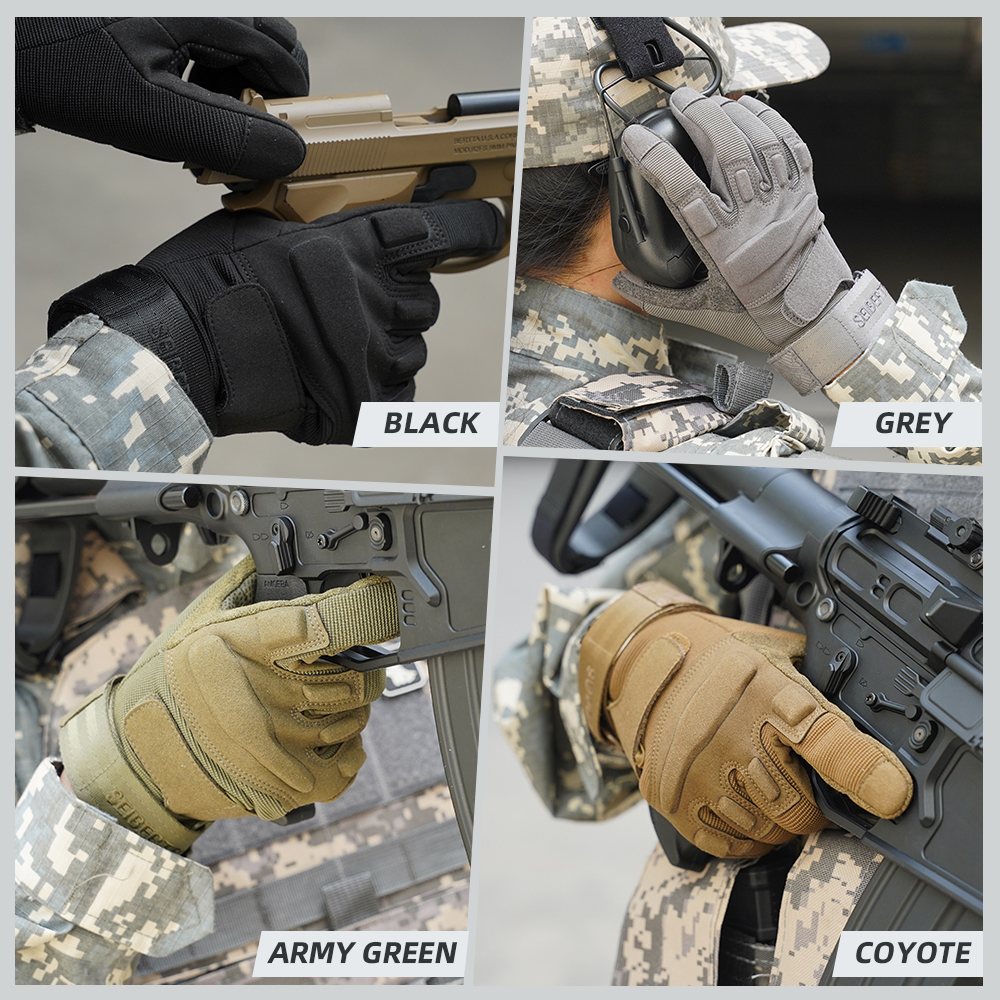
Why do officers wear black gloves?
Black gloves are common because they look professional, hide dirt better than light colors, and match many duty uniforms. However, glove color is usually less important than function and fit.
Can tactical gloves be used by civilians?
Yes. Many civilians use tactical gloves for outdoor work, shooting sports, motorcycling, airsoft, hunting, hiking, and general hand protection tasks.
Final Thoughts
Police officers put gloves on for practical reasons: protection, hygiene, grip, evidence handling, and safety. Gloves help reduce direct contact with unknown hazards while giving officers better confidence during searches, duty tasks, and unpredictable situations.
For anyone choosing tactical or duty-style gloves, the key is to match the glove to the task. Look for the right balance of dexterity, grip, protection, comfort, and durability.
Choose the tactical glove that matches your task

S.O.L.A.G Full Finger Tactical Gloves
Best starting point for shoppers comparing full-finger tactical gloves with outdoor utility, touchscreen convenience, hand coverage, and secure fit.
- Full-finger coverage
- Touchscreen convenience
- Outdoor utility
- Secure wrist fit
- Adult and youth options
- Multiple colors and sizes
S.O.L.A.G Full Finger Tactical Gloves
For shoppers comparing tactical gloves by hand coverage, dexterity, touchscreen convenience, outdoor utility, and secure fit.

S.O.L.A.G Half Finger Gloves
For shoppers comparing tactical gloves by hand coverage, dexterity, touchscreen convenience, outdoor utility, and secure fit.

S.O.L.A.G-T Half Finger Gloves
For shoppers comparing tactical gloves by hand coverage, dexterity, touchscreen convenience, outdoor utility, and secure fit.

S.O.L.A.G 2.0 Full Finger Gloves
For shoppers comparing tactical gloves by hand coverage, dexterity, touchscreen convenience, outdoor utility, and secure fit.
Keep comparing before you choose
Read more tactical glove guides
 Why Breathable Tactical Gloves Are Essential for Law Enforcement, Military, and Security ProcurementRead article
 What Are Combat Gloves for? A Guide to Choosing the Best Tactical GlovesRead article
 Why Do People Wear Gloves with Guns? The Essential Role of Tactical GlovesRead article
 Why Do Police Use Mechanix Gloves?Read article
 Why Do People Wear Tactical Gloves?Read article
 Key Materials Used in Breathable Tactical Gloves and Their Impact on Performance and DurabilityRead article
 Can Cops Wear Tactical Gloves?Read article
 What tactical gloves do special forces use?Read article
 Do shooting gloves help with recoil?Read article
 What Gloves Do Killers Wear? Understanding Tactical GlovesRead article