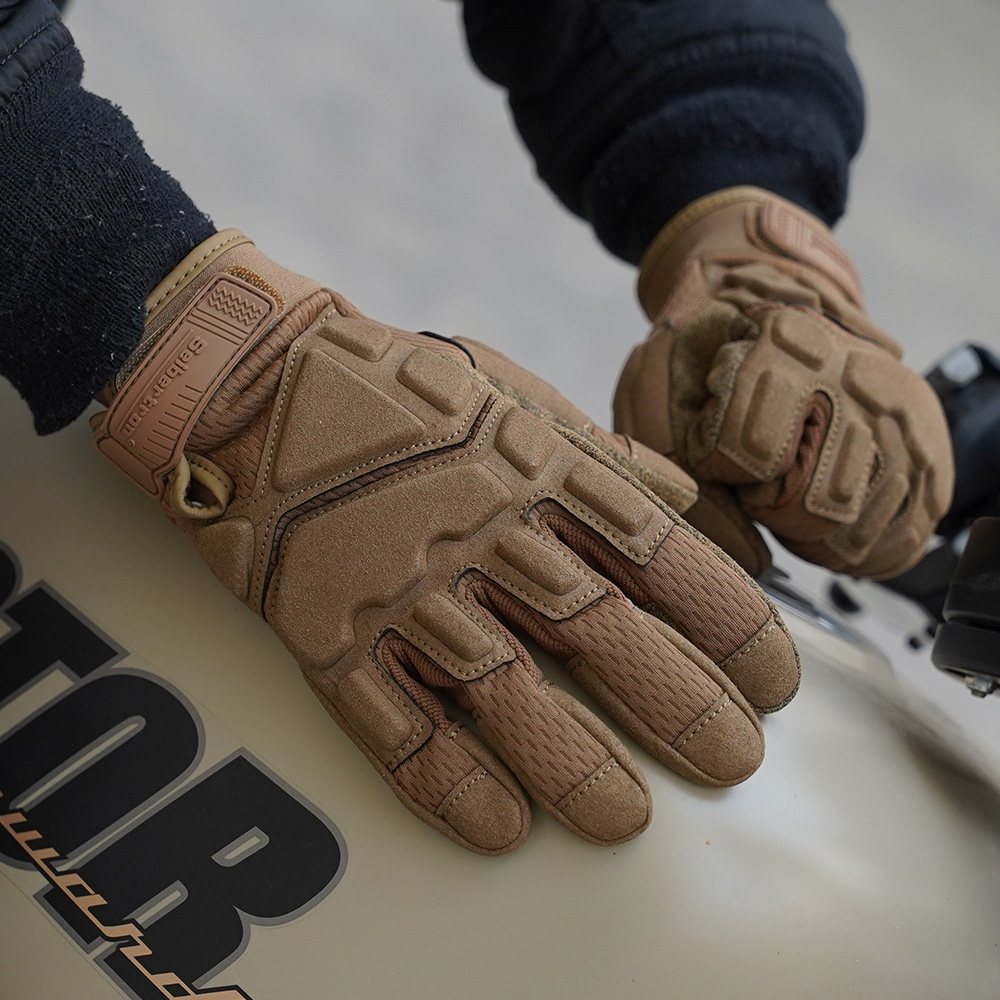
Market Trends: Surging Global Demand for Breathable Tactical Gloves in the Safety Gear Industry
The global safety gear industry is witnessing a paradigm shift, driven by evolving occupational hazards, technological advancements, and heightened awareness of worker well-being. At the forefront of this transformation is the rising demand for breathable tactical gloves. No longer just about protection, today's professionals require gloves that offer unparalleled comfort, dexterity, and endurance – especially in high-stakes environments. This comprehensive analysis delves into the market dynamics, technological innovations, and the burgeoning B2B sales landscape fueling the growth of high-performance tactical gloves.
For businesses operating in sectors like law enforcement, military, industrial safety, and emergency services, the choice of tactical protective gear is critical. Traditional gloves often compromise comfort for protection, leading to reduced compliance, fatigue, and even operational risks. The advent of breathable tactical gloves addresses this gap, merging robust protection with advanced materials that promote airflow and temperature regulation. Leading this innovation wave is Seibertron glove technology, designed to meet the rigorous demands of professional use while prioritizing wearer comfort.
This article explores why high quality tactical gloves with breathability features are becoming industry non-negotiables, how B2B marketing strategies are evolving to meet specialized buyer needs, and the pivotal role of platforms like B2B trade websites in connecting manufacturers with professional buyers worldwide. We also examine the specific attributes that make tactical gloves for professional use indispensable in modern operations.
 Understanding the Global Safety Gear Market Dynamics
The Evolution of Protective Handwear
The journey from basic leather work gloves to sophisticated tactical gloves reflects broader changes in occupational safety standards and user expectations. Historically, hand protection focused primarily on impact resistance and abrasion protection. While these remain essential, contemporary standards now mandate:
- Enhanced Ergonomics: Gloves must allow for fine motor skills without compromising safety.
- Thermal Regulation: Breathability to prevent moisture buildup during extended wear.
- Multi-Threat Protection: Defense against cuts, punctures, chemicals, and extreme temperatures.
- Durability & Longevity: Critical for cost-effectiveness in B2B procurement contexts.
This evolution is particularly evident in tactical and industrial sectors where gloves are worn for prolonged periods under physically demanding conditions. The shift towards breathable tactical gloves represents a recognition that comfort directly impacts safety compliance and operational effectiveness.
Key Drivers Fueling Demand for Breathable Tactical Gloves
Several interconnected factors are accelerating market growth for advanced tactical protective gear:
- Stringent Safety Regulations: Global standards like ANSI/ISEA, EN ISO, and NFPA increasingly emphasize comprehensive protection that includes thermal comfort factors.
- Operational Efficiency Requirements: Professionals in tactical fields require gear that doesn't impede performance during critical tasks.
- Rising Awareness of Occupational Health: Organizations increasingly recognize that preventing heat stress and fatigue through breathable gear reduces accidents and improves productivity.
- Technological Material Advancements: Innovations in synthetic fibers, coatings, and weaving techniques enable superior breathability without sacrificing protection.
- Growth in High-Risk Sectors: Expansion in military, law enforcement, private security, fire services, and specialized industrial operations creates sustained B2B demand.
Market Insight: According to recent industry analyses, the global tactical gloves market is projected to grow at a CAGR of over 8.5% between 2023 and 2030, with breathable variants capturing an increasingly dominant share. This growth is significantly driven by business to business procurement channels serving institutional buyers.

Seibertron's Innovation in Breathable Tactical Gloves
Engineering Superior Breathability Without Compromising Protection
At Seibertron, developing high quality tactical gloves means solving the fundamental challenge: how to maximize airflow while maintaining critical protective qualities. Our engineering approach integrates:
- Advanced Mesh Construction: Strategically placed high-ventilation zones using durable synthetic mesh materials.
- Moisture-Wicking Liners: Proprietary inner layers that actively pull sweat away from the skin.
- Perforated Leather & Synthetics: Micro-perforations in palm and finger materials for targeted breathability.
- 3D Airflow Channels: Structural design elements that create passive ventilation during hand movement.
This multi-layered approach ensures that Seibertron glove products provide exceptional comfort in diverse climatic conditions, from desert operations to humid industrial environments, making them ideal tactical gloves for professional use.
 Beyond Breathability: Comprehensive Tactical Performance
While breathability is a critical feature, true tactical protective gear must excel across multiple performance dimensions:
- Impact & Abrasion Resistance: Reinforced zones using materials like goatskin, synthetic leather, or high-denier fabrics.
- Enhanced Grip: Silicone or rubberized patterns that maintain hold in wet, oily, or dusty conditions.
- Dexterity & Tactility: Pre-curved finger designs and thin-but-durable palm materials for precise manipulation.
- Wrist Security & Support: Adjustable closures that provide stability without restricting circulation.
- Compatibility with Technology: Touchscreen-responsive fingertips for digital device operation.
By integrating these features with advanced breathability, Seibertron creates gloves that meet the holistic demands of modern professionals – a key differentiator in B2B sales conversations.

The B2B Landscape for Tactical Gloves: Strategies for Success
Understanding Tactical Glove Procurement in Business-to-Business Channels
The B2B selling process for specialized safety gear differs significantly from consumer markets. Institutional buyers prioritize:
- Bulk Procurement Efficiency: Streamlined ordering, customization options, and volume pricing.
- Certification Compliance: Documentation of safety standards adherence.
- Durability & Total Cost of Ownership: Longer product lifespans reduce replacement frequency and costs.
- Customization Capabilities: Branding, specialized sizing, and feature modifications.
- Reliable Supply Chains: Consistent availability for equipment replenishment programs.
For manufacturers, excelling in the business to business space requires building robust B2B marketing and sales infrastructures tailored to these professional needs.
Leveraging Digital Platforms for B2B Growth
Modern B2B trade increasingly occurs through specialized digital channels. Effective strategies include:
- Optimized B2B Sales Platforms: Developing dedicated e-commerce portals for bulk purchases, contract pricing, and business account management.
- Targeted Presence on B2B Trade Websites: Listing products on industry-specific marketplaces frequented by procurement professionals.
- B2B Direct Marketing: Utilizing email campaigns, content marketing, and LinkedIn outreach tailored to safety managers and procurement officers.
- Lead Generation Specialization: Implementing B2B leads generation tactics focused on identifying institutional buyers with recurring glove procurement needs.
- Educational Content Marketing: Providing valuable resources (like this article) that establish authority and address buyer pain points.
B2B Insight: Successful B2B startups in the tactical gear space often combine high-performance products with frictionless procurement experiences. This includes intuitive B2B sales platform interfaces, detailed product documentation, and responsive account management – transforming routine purchases into wonderful B2B partnerships.
Applications: Where Breathable Tactical Gloves Are Essential
Military & Defense Operations
Modern warfare and training exercises demand gloves that perform across diverse terrains and climates. Breathable tactical gloves are critical for:
- Sustained operations in hot climates where heat management affects combat effectiveness
- Long-duration vehicle operations requiring grip and dexterity
- Specialized tasks like rappelling, marksmanship, and EOD operations
Military procurement, a significant B2B segment, increasingly specifies breathability as a mandatory feature in glove contracts.
Law Enforcement & Tactical Units
Police, SWAT, and border patrol units require gloves that support diverse functions:
- High-stress situations where sweaty palms could compromise weapon handling
- Extended wear during surveillance or crowd control operations
- Protection during searches, arrests, and K-9 handling
The trend toward duty-specific glove configurations creates opportunities for B2B direct marketing of specialized product lines.
Industrial & Critical Infrastructure
Beyond tactical applications, breathable gloves serve vital roles in:
- Utility work (electrical, telecom) requiring dexterity for delicate tasks
- Oil & gas operations in hot climates
- Manufacturing environments where heat buildup causes discomfort and reduced productivity
- Wildland firefighting where thermal regulation is critical
Industrial safety managers are key B2B leads for manufacturers, often procuring hundreds of pairs at once.
Future Trends: The Evolving Tactical Glove Market
Material Science Innovations
The next generation of breathable tactical gloves will incorporate:
- Smart Textiles: Materials with integrated sensors for vital sign monitoring or environmental detection.
- Phase-Change Materials (PCMs): Micro-encapsulated technologies that absorb and release heat to regulate temperature.
- Biodegradable Components: Eco-friendly materials responding to institutional sustainability mandates.
- Enhanced Anti-Microbial Treatments: Long-lasting hygiene features for multi-day use scenarios.
Digital Integration in B2B Sales & Product Development
The B2B selling process will increasingly leverage:
- Virtual Product Customization Tools: Online configurators for custom glove designs.
- Data-Driven Sizing Solutions: AI-powered sizing recommendations based on hand scan data.
- Integrated Supply Chain Visibility: Real-time order tracking for bulk procurement.
- Enhanced B2B Trade Websites: Platform features facilitating RFQ management and contract negotiations.
These advancements will create more efficient, responsive business to business relationships between manufacturers and institutional buyers.
Conclusion: Seizing the Opportunity in Breathable Tactical Gloves
The rising demand for breathable tactical gloves represents more than a product trend – it signifies a fundamental shift in how safety professionals view protective equipment. Comfort and wearability are now recognized as essential components of effective protection, driving innovation and creating significant market opportunities.
For manufacturers, success hinges on delivering genuine technological advancement in breathability without compromising core protective functions. Companies like Seibertron are leading this charge through material science innovations and ergonomic design. Simultaneously, mastering the B2B marketing and sales landscape is crucial. This involves optimizing B2B sales platforms, generating qualified B2B leads, and building relationships through B2B trade websites and direct channels.
For procurement professionals across defense, law enforcement, and industrial sectors, selecting the right tactical gloves for professional use means prioritizing products that deliver comprehensive protection, extended comfort, and proven durability. As the market evolves, breathability will transition from a premium feature to a standard expectation – making now the time for institutions to upgrade their hand protection protocols.
Ready to equip your team with industry-leading breathable tactical gloves? Explore Seibertron's professional-grade collection designed for maximum comfort and protection: Tactical Gloves Collection
FAQ: Breathable Tactical Gloves - Usage, Care, and Selection
Q1: How do breathable tactical gloves differ from regular work gloves?
Breathable tactical gloves incorporate specialized materials and design features that promote airflow while maintaining high levels of protection. Unlike standard work gloves, they use mesh panels, moisture-wicking liners, and perforated leather to reduce heat buildup and sweat accumulation during extended wear. This makes them ideal for high-intensity or long-duration use where comfort impacts performance.
Q2: Can breathable tactical gloves provide adequate protection against cuts, impacts, and abrasions?
Absolutely. High-quality breathable tactical gloves like those from Seibertron integrate protection zones using materials such as reinforced synthetic leather, fibers, or impact-absorbing foams in critical areas. The breathable elements are strategically placed in non-critical zones or engineered as high-strength mesh that still offers substantial abrasion resistance. Always verify that gloves meet relevant safety standards (ANSI, EN) for your specific application.
Q3: How should I clean and maintain breathable tactical gloves to preserve their functionality?
Proper care extends glove lifespan significantly:
- Regular Cleaning: Remove loose dirt with a soft brush. Hand wash in lukewarm water using mild detergent. Avoid harsh chemicals.
- Drying: Air dry away from direct heat sources. Do not machine dry as heat can damage synthetic materials and reduce breathability.
- Storage: Keep in a cool, dry place. Avoid prolonged compression that could deform padding or impact protection elements.
- Inspection: Regularly check for wear, particularly in high-stress areas like palms and fingertips. Replace when protective layers are compromised.
Q4: Are breathable tactical gloves suitable for cold weather operations?
Breathable gloves excel in temperature regulation, but their cold-weather effectiveness depends on specific design features. Look for models with:
- Wind-resistant outer layers
- Thermal linings that retain warmth while still managing moisture
- Extended cuffs for better wrist sealing
Q5: What certifications should I look for when procuring tactical gloves for organizational use?
Key certifications vary by application but often include:
- ANSI/ISEA 105: Standard for hand protection classification (cut resistance, puncture resistance, etc.)
- EN 388: European standard for mechanical risks (abrasion, cut, tear, puncture)
- NFPA 1971: For structural and proximity firefighting gloves
- Military Specifications (MIL-SPEC): For defense procurement requirements
Q6: How do I determine the right size and quantity when making a bulk purchase for my organization?
Effective bulk procurement involves:
- Sizing Analysis: Conduct a hand measurement survey across your user base. Many manufacturers provide sizing kits for large orders.
- Usage Assessment: Estimate replacement frequency based on typical wear patterns in your operations.
- Phased Procurement: Consider staggered purchases to manage inventory and accommodate new personnel.
- Supplier Consultation: Leverage manufacturer expertise. Companies like Seibertron offer dedicated B2B support for sizing, volume discounts, and customized delivery schedules.
Choose the tactical glove that matches your task

S.O.L.A.G Full Finger Tactical Gloves
Best starting point for shoppers comparing full-finger tactical gloves with outdoor utility, touchscreen convenience, hand coverage, and secure fit.
- Full-finger coverage
- Touchscreen convenience
- Outdoor utility
- Secure wrist fit
- Adult and youth options
- Multiple colors and sizes
S.O.L.A.G Full Finger Tactical Gloves
For shoppers comparing tactical gloves by hand coverage, dexterity, touchscreen convenience, outdoor utility, and secure fit.

S.O.L.A.G Half Finger Gloves
For shoppers comparing tactical gloves by hand coverage, dexterity, touchscreen convenience, outdoor utility, and secure fit.

S.O.L.A.G-T Half Finger Gloves
For shoppers comparing tactical gloves by hand coverage, dexterity, touchscreen convenience, outdoor utility, and secure fit.

S.O.L.A.G 2.0 Full Finger Gloves
For shoppers comparing tactical gloves by hand coverage, dexterity, touchscreen convenience, outdoor utility, and secure fit.
Keep comparing before you choose
Read more tactical glove guides
 Why Breathable Tactical Gloves Are Essential for Law Enforcement, Military, and Security ProcurementRead article
 What Are Combat Gloves for? A Guide to Choosing the Best Tactical GlovesRead article
 Smart Tactical Gear Trends: What to Expect in Late 2026Read article
 Key Materials Used in Breathable Tactical Gloves and Their Impact on Performance and DurabilityRead article
 How Breathable Tactical Gloves Improve Comfort, Dexterity, and Productivity in High-Intensity WorkRead article
 Breathable Tactical Gloves vs. Standard Tactical Gloves: Which Is Better for Long-Duration Operations?Read article
 Are Tactical Gloves Legal in the UK?Read article
 Are tactical gloves legal in the UK?Read article
 What is the best color for tactical gloves?Read article
 Can you wear tactical gloves in public?Read article