




A short ride can involve more than time on the handlebars. You adjust a helmet strap, open a small bag and stop to check a route. Fingerless gloves leave the fingertips available for those small tasks, but choosing them still requires a close look at coverage and fit.

Start with the full route: the conditions you expect, the amount of time outside and how your hands contact the bars. Then compare the glove's construction with those needs instead of treating “fingerless” as a complete description.
Map which parts of your hand are covered
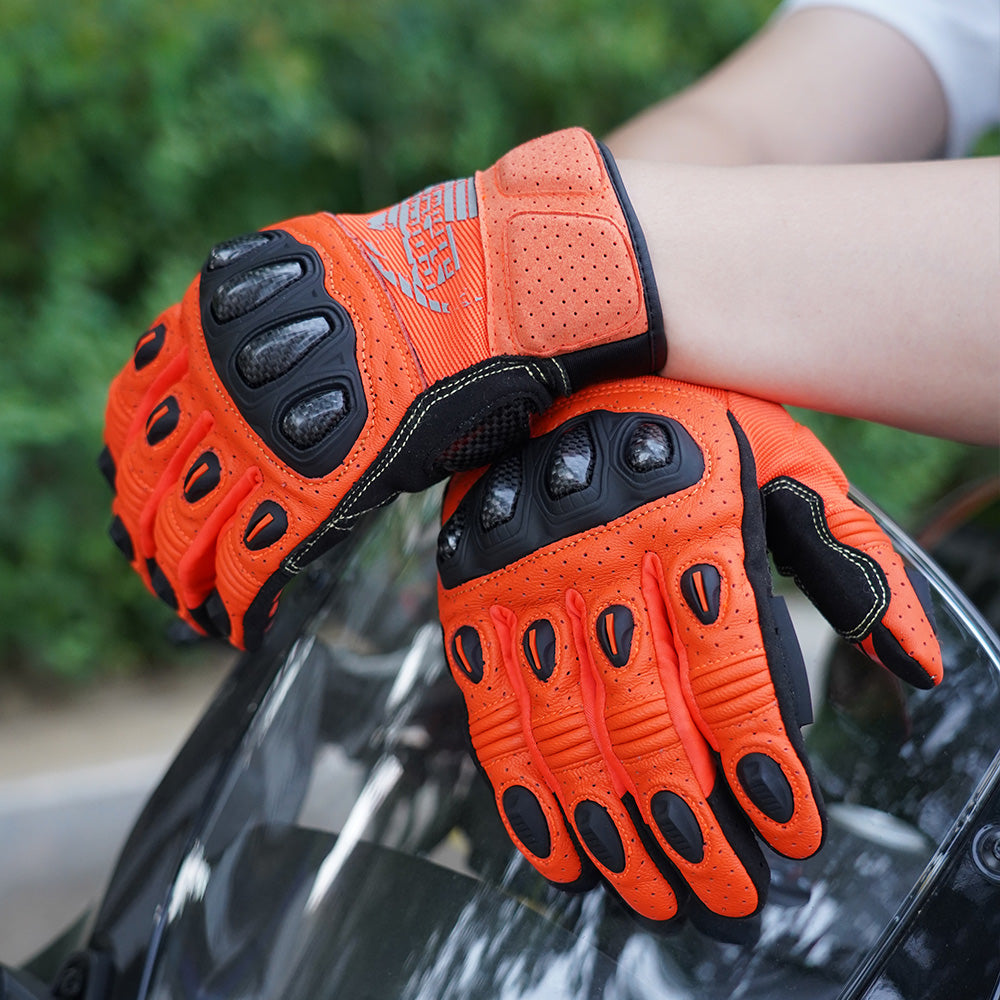
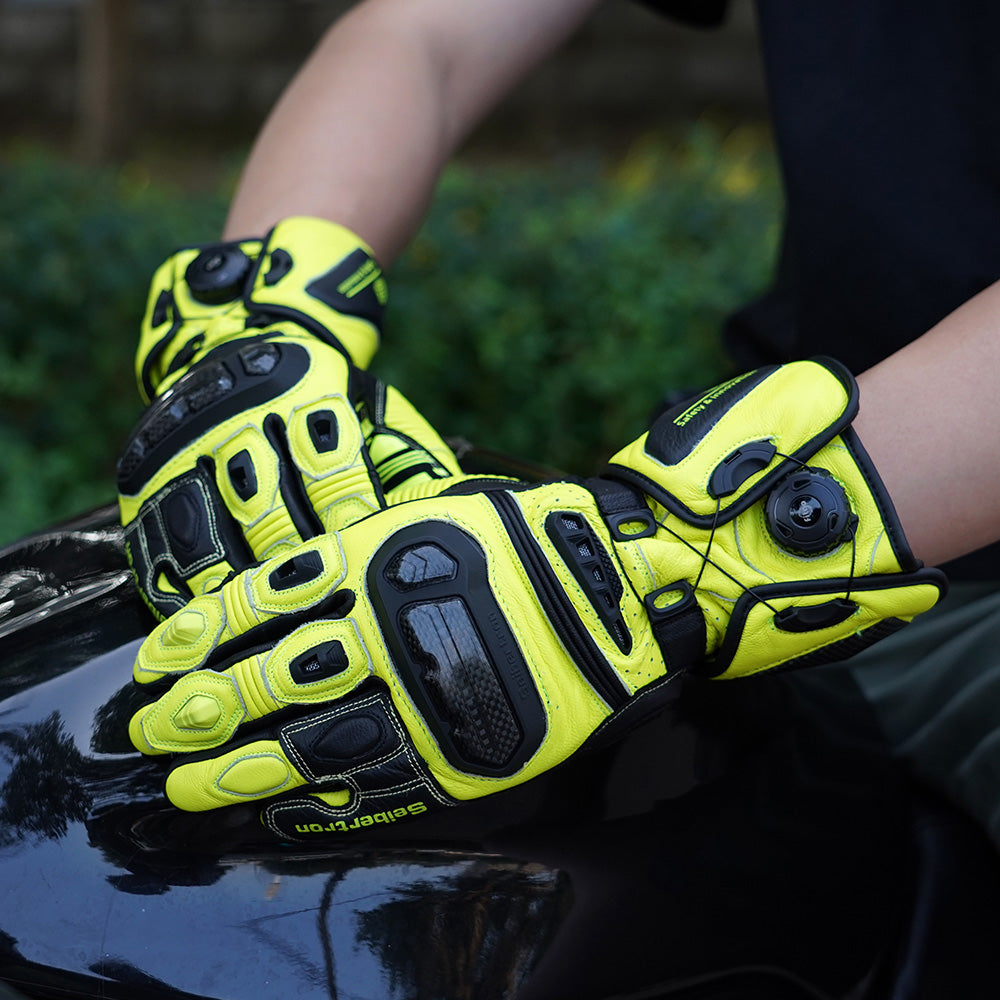
Look at the product photographs from both the palm and backhand sides. Fingerless designs leave part of each finger exposed, and cuff length affects how the glove meets your sleeve. Make those gaps part of your plan for the day.
The Seibertron S.P.S.G-3 fingerless cycling gloves are listed with UPF100+ protection, a breathable construction, gel padding and silicone grip placement. That rating should not be read as coverage for exposed fingertips or other uncovered skin. Check the current product information for the stated protection and coverage.
Check the palm in your riding position
A padded palm may feel different when your hand rests flat than when it wraps around a handlebar. With your bicycle safely stationary, put on the gloves and hold the grips in your usual position. Notice where the padding sits and whether any edge presses awkwardly into your hand.
Open and close your fingers, then reach the brake levers without riding. If the glove pulls at the finger openings or bunches at the thumb, review the fit. Do not select a size only because it feels soft when you first put it on.
Use a route-based comparison checklist
- For small adjustments: check whether the exposed fingertips help with the buckles and zippers you normally use at a stop.
- For time on the bars: assess palm folds, padding placement and access to the controls in a stationary check.
- For coverage: identify the skin left exposed at the fingers and wrist before choosing the rest of your riding clothing.
- For changing conditions: consider whether the route calls for covered fingers or another suitable glove rather than expecting a single pair to suit every ride.
Measure the model you are actually buying
The S.P.S.G-3 listing directs buyers to measure palm circumference without including the thumb. Compare that measurement with its own chart. Check both hands, and pay attention to the finger openings as well as the palm when trying the pair.
Comfort also depends on the rest of your setup. If hand discomfort continues, review your riding position and equipment with an appropriate professional instead of treating thicker padding as a complete solution.
Frequently asked questions
Does the UPF listing apply to bare fingertips?
Exposed skin is outside the glove's coverage. Read the product's stated protection in that context and plan your clothing around what remains uncovered.
Are fingerless gloves the same as motorcycle gloves?
No. Choose equipment intended for your activity and check its documented features. A cycling glove listing does not establish suitability for motorcycle riding.
Should I buy a larger size for more airflow?
Use the model's size chart rather than deliberately buying loose gloves. Compare construction and coverage separately from fit.
Choose for the ride you repeat
A clear view of coverage, palm feel and finger movement makes the comparison more useful. View S.P.S.G-3 cycling glove details and sizing and check the product photographs against your everyday route.