Should You Wear Gloves While Rock Climbing? The Ultimate Guide
Rock climbing presents a constant dilemma: the need for sensitive touch versus protection against harsh elements and abrasive surfaces. As climbers venture from indoor gyms to alpine peaks, the question of whether to wear gloves becomes increasingly complex. This comprehensive guide examines the nuanced arguments surrounding climbing gloves, exploring their benefits, limitations, and ideal applications across different climbing disciplines.
With insights from professional climbers, gear designers at Seibertron, and sports scientists, we'll examine how modern glove technology balances dexterity and protection. Whether you're belaying at the crag or tackling an ice route, understanding when and why to use specialized hand protection can significantly impact your safety, performance, and enjoyment.
The Great Debate: To Glove or Not to Glove
The rock climbing community remains divided on glove usage. Traditionalists argue that direct skin-to-rock contact provides superior sensory feedback and grip precision. Modernists counter that technological advances have eliminated previous drawbacks while offering critical protection. Understanding both perspectives is essential for making informed decisions about your hand protection strategy.
Benefits of Wearing Climbing Gloves
- Enhanced Safety During Belaying: Belay gloves prevent rope burns and protect against sudden friction events during catches
- Protection Against Abrasions: Shielding hands from sharp rock crystals and rough surfaces during crack climbing
- Cold Weather Performance: Best winter climbing gloves maintain dexterity while preventing numbness in frigid conditions
- Hygiene Maintenance: Reducing direct contact with heavily used communal ropes and gear
- Prevention of Blisters and Calluses: Especially valuable during multi-pitch climbs and extended sessions
Potential Drawbacks of Gloves
- Reduced Tactile Sensitivity: Impeded ability to feel subtle rock features and micro-edges
- Decreased Grip Security: Potential slippage on small holds compared to bare skin friction
- Overheating Concerns: Hand perspiration leading to reduced friction in warmer conditions
- Fit and Dexterity Issues: Poorly designed gloves compromising finger mobility and precision
- False Security Perception: Risk of diminished technique development through over-reliance on protection
 Specialized Gloves for Every Climbing Discipline
Not all climbing requires the same hand protection. Different disciplines present unique challenges that demand specialized glove solutions. Understanding these distinctions helps climbers select appropriate protection without compromising performance.
Rock Climbing Gloves
Specifically designed for technical rock climbing, these lightweight gloves prioritize flexibility and sensitivity. Modern versions incorporate silicone grip patterns on palms and fingertips that enhance friction without sacrificing tactile feedback. Ideal for:
- Crack climbing protection
- Rough granite surfaces
- Multi-pitch descents
Belay Gloves
Essential protection devices rather than climbing tools, gloves for belaying feature reinforced palms and heat-resistant materials. Seibertron's premium versions incorporate Kevlar stitching and strategic padding that absorbs friction while maintaining rope control.
Critical features include:
- High-abrasion resistance zones
- Secure wrist closures
- Moisture-wicking interiors
Winter & Ice Climbing Solutions
The best ice climbing gloves provide waterproof exteriors with thermal insulation while preserving critical dexterity for tool placements and screw operations. Seibertron's award-winning designs with articulated finger construction and reinforced crampon zones.
Key considerations for best winter climbing gloves:
- Waterproof/breathable balance
- Wrist snow locks
- Reinforced palm zones
Multifunctional Gloves
For climbers who traverse multiple disciplines, versatile gloves of climbing offer adaptable protection. These hybrids feature removable layers, convertible finger designs, and materials that perform across varied conditions.
Discover Seibertron's innovative collection of premium multifunctional gloves engineered for diverse climbing environments.
 When Gloves Become Essential: Critical Scenarios
Cold Weather Climbing
When temperatures drop below 50°F (10°C), bare hands quickly lose dexterity and gripping power. Quality winter climbing gloves maintain circulation while protecting against frostnip. Look for gloves with windproof panels and thermal regulation properties that adapt to exertion levels.
Belaying and Rappelling
High-friction activities like lowering heavier climbers or executing long rappels generate significant heat that can cause second-degree rope burns. Professional guides consider belay gloves non-negotiable safety equipment, especially when:
- Managing dynamic catches
- Handling wet or icy ropes
- Supervising beginner climbers
Rough Rock Surfaces
Certain rock types demand hand protection regardless of conditions. Sandstone's abrasive texture and granite's sharp crystals can shred unprotected skin during crack techniques. In these environments, rock climbing gloves with strategic reinforcement extend climbing time and prevent injury.
Extended Alpine Routes
Multi-day ascents compound minor hand damage through constant re-injury. Quality gloves of climbing preserve skin integrity during prolonged exposure to elements, hauling systems, and rough rock contact.
Selecting the Perfect Climbing Gloves
Finding the right glove involves balancing four critical factors: protection, dexterity, durability, and comfort. Consider these essential features when selecting your climbing gloves:
Material Technology
Modern glove construction incorporates advanced materials:
- Premier Leather: Offers superior abrasion resistance and develops custom molding to the hand
- Synthetic Hybrids: Combine durability with enhanced breathability and quick-dry properties
- Strategic Reinforcements: Extra protection zones at high-wear areas like the palm, thumb, and index finger
Fit and Dexterity
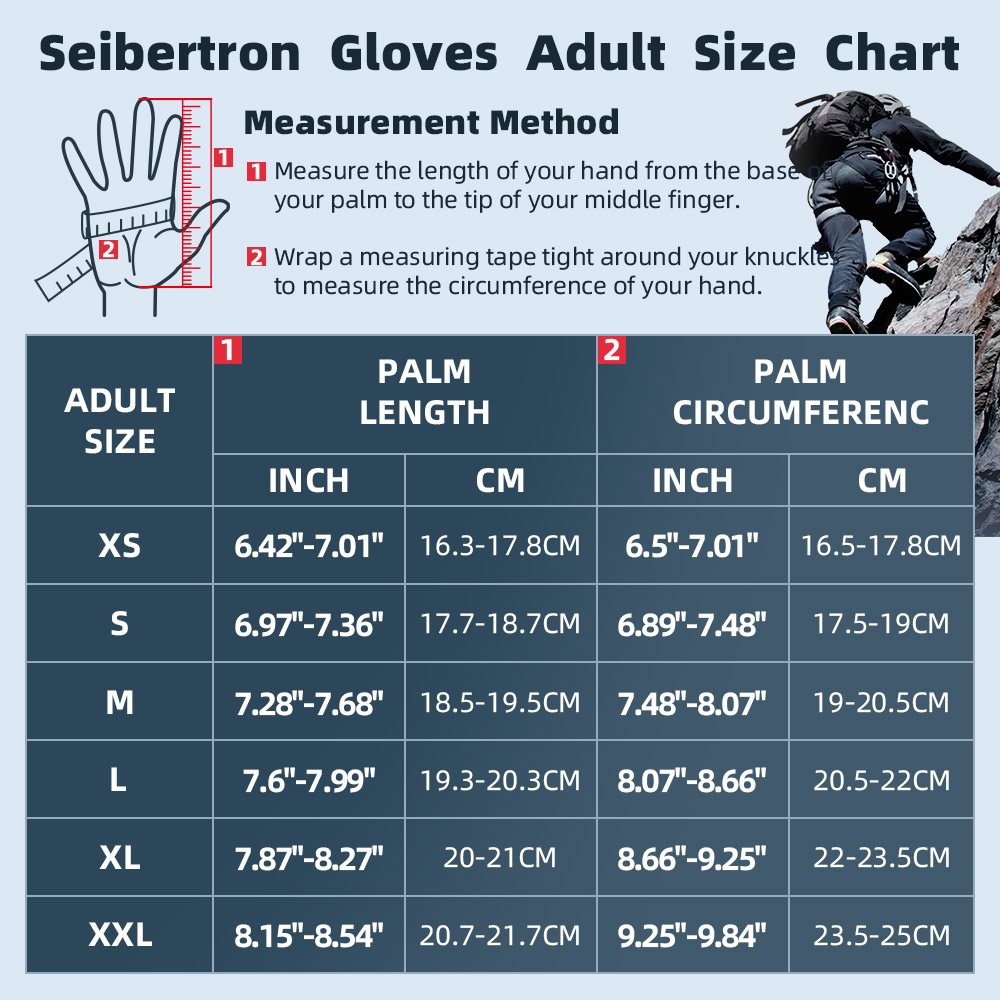
An ideal glove fits snugly without restricting blood flow or finger articulation. Key considerations include:
- Pre-curved finger construction matching natural hand position
- Stretch panels across knuckles and joints
- Minimal bulk at critical touch points
Closure Systems
Secure glove retention prevents slippage during critical maneuvers. Quality options include:
- Adjustable hook-and-loop wrist straps
- Elasticized gauntlets with silicone grippers
- Integrated leash systems
For climbers seeking the optimal balance of these features, Seibertron's multifunctional glove collection represents the cutting edge of climbing hand protection technology.
FAQs: Seibertron Climbing Gloves
Can I use regular work gloves for climbing?
While better than no protection, standard work gloves lack the specialized design required for climbing. They typically compromise dexterity, feature inadequate grip patterns for rock and rope handling, and lack strategic reinforcement. Purpose-built climbing gloves optimize protection where needed while preserving sensitivity and mobility.
How often should I replace my climbing gloves?
Inspect your rock climbing gloves regularly for:
- Thinning leather or worn synthetic materials
- Compromised stitching, especially along high-stress seams
- Reduced grip effectiveness on critical surfaces
Belay gloves typically require replacement every 6-12 months with regular use, while technical climbing gloves may last longer with proper care.
Can I wash my climbing gloves?
Proper cleaning extends glove lifespan significantly. Follow these steps:
- Brush off loose dirt and debris
- Hand wash using lukewarm water and specialized leather cleaner (for leather gloves) or mild detergent (for synthetics)
- Rinse thoroughly and gently squeeze out excess water
- Air dry away from direct heat sources
- Condition leather gloves periodically
Explore our complete range of performance climbing gloves to experience the difference.
Finding Your Perfect Balance
The decision to wear gloves while climbing involves weighing protection against performance across varied contexts. Modern glove technology has largely resolved the historical trade-offs between sensitivity and safety, creating specialized solutions for nearly every climbing scenario. From belay gloves that prevent rope burns to specialized ice climbing gloves that maintain dexterity in sub-zero temperatures, the climbing glove market offers sophisticated solutions that complement rather than compromise the climbing experience.
As you evaluate your glove needs, consider the specific demands of your climbing discipline, typical environmental conditions, and personal physiology. Investing in high-quality gloves of climbing designed specifically for rock interaction and rope management ensures you'll have protection when needed without sacrificing the connection to the rock that makes climbing such a profound experience.
Through thoughtful selection and proper care, modern climbing gloves become invaluable partners in your vertical adventures rather than necessary compromises.
Explore Seibertron's Premium Glove CollectionChoose the glove category that matches your activity

G.A.R.G 2.0 Anti-Impact Receiver Gloves
A useful starting point for shoppers comparing Seibertron sports gloves with grip focus, impact-focused construction, and broad size and color choices.
- Sports glove options
- Grip-focused choices
- Adult and youth ranges
- Multiple categories
- Size comparison paths
- Care and shipping resources
G.A.R.G 2.0 Anti-Impact
For shoppers comparing Seibertron glove categories by activity, fit, coverage, grip, and care needs.

Seibertron B-A-R PRO 2.0 Adult Baseball & Softball Batting Gloves - Super Grip
For shoppers comparing Seibertron glove categories by activity, fit, coverage, grip, and care needs.

Seibertron Full Finger Padded Palm Lightweight Breathable Climbing Rope Gloves
For shoppers comparing Seibertron glove categories by activity, fit, coverage, grip, and care needs.

S.O.L.A.G 2.0 Full Finger Gloves
For shoppers comparing Seibertron glove categories by activity, fit, coverage, grip, and care needs.
Keep comparing before you choose
Read more Seibertron glove guides
 Should you wear gloves while rock climbing?Read article
 What Not to Wear When Rock ClimbingRead article
 What is the best thing to wear for rock climbing?Read article
 What happens if you don't wear batting gloves?Read article
 Where Do You Wear Safety Gloves?Read article
 How should I shop for batting gloves?Read article
 Should batting gloves be tight?Read article
 What is the Highest Level of Cut-Resistant Gloves?Read article
 How Long Should a Pair of Batting Gloves Last?Read article
 Who Owns Ironclad Gloves?Read article